



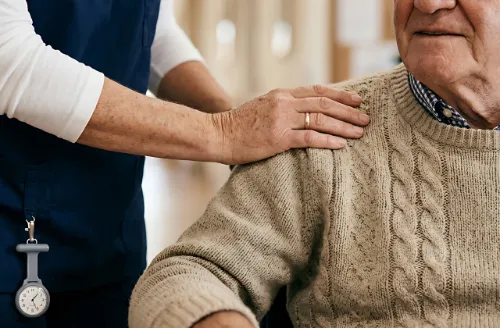
How to Become a Home Health Aide in New York City: Requirements, Training, and Certification
Home health aides help older adults and people with disabilities stay safe at home. It is a meaningful work, compared to most careers in healthcare, training is short. Demand for these jobs remains high in New York City. State projections indicate that home health and personal care aides are among the fastest-growing occupations in new york; tens of thousands of openings will be available each year.If you’re considering a change in your fall job this fall, here’s what you need to know: what does an aide do? How do i get certified as a home health aide in new york? What happens after my training?
The Short Version
To become a certified home health aide (HHA) in New York, you need to:
- be older than 18 years old;
- be able to read/write and follow directions);
- complete a state approved training course for a minimum of 75 hours;
- pass a competency assessment;
- register with the NYS Home Care Registry;
- complete a criminal background check & health screen by your hiring agency once employed.
The majority of students take only several weeks to accomplish their certification training.
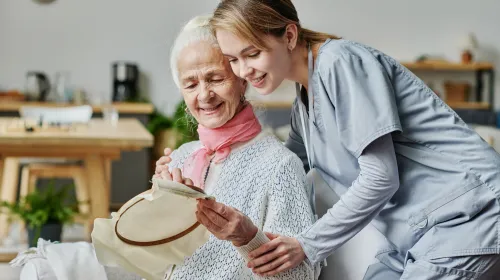
What Does a Home Health Aide Do?
Home Health Aides assist their clients with daily routines. In many cases they are also regular visitors that have developed a trusting relationship with the client. Common tasks for Home Health Aide’s typically include:
- bathing and personal hygiene (showering, washing hair etc.)
- dressing and grooming
- assisting clients in toileting and managing urinary continence
- helping clients safely transfer from one area of the home to another (bed to chair)
- preparing meals and reminding clients to drink plenty of fluid
- performing light house keeping and laundry duties
- reminding clients when it is time to take medication
- and taking vital signs on behalf of the registered nurse who supervises them
- Personal Care Aide (PCA): completes a minimum of 40 hours of state-approved training. The focus is on personal care and daily living support.
- Home Health Aide (HHA): completes a minimum of 75 hours. Training includes everything a PCA learns plus health-related tasks, performed under nurse supervision.
- Age: an applicant must be eighteen years old.
- Education: A high school diploma or GED is often required by these programs. While there are instances where a candidate has been accepted into one of these programs without a high school diploma or GED, it is less frequent than those who have met this requirement.
- Skillset: The ability to read, write, and comprehend written instructions; as well as maintaining simple records.
- Health Status: As this position requires employees to stand for extended periods of time; assist individuals with mobility issues; and perform lifting tasks on an ongoing basis, applicants must demonstrate that they possess good physical health.
- Credibility: Applicants will undergo a background investigation through fingerprints prior to being hired.
- Your social security card
- Documentation showing you are authorized to legally work in the United States
- Documentation of an acceptable physical examination with testing for tuberculosis (PPD)
- Documentation of immunizations (vaccinations)
- A copy of your High School Diploma or GED if the course has this requirement
- Ask about any additional documentation you need to provide to complete your application
- Communication and documentation
- Infection control
- Reading and recording vital signs
- Safe transfer techniques and body mechanics
- Personal hygiene and grooming
- Nutrition and meal preparation
- Emergency procedures
- Understanding the needs of older adults and clients with disabilities
- Was this program authorized as a training program by either New York’s State
- Department of Health or New York State Education Department?
- What are all costs associated with attending this school (exams, uniform, health screening, etc.)?
- Are you required to commit to working for a particular agency once you complete the program?
- Does the program provide assistance in finding employment to its graduates?
- Advanced Home Health Aide (AHHA): The AHHA is a highly skilled aide who has been providing care in the client’s home for one year or longer; holds a current certification in CPR; and holds either a high school diploma or equivalency. An individual with these credentials may take additional training and pass a state certified exam to perform some medication-related functions.
- Certified Nursing Assistant (CNA): For individuals interested in caring for patients within long term care facilities.
- Nurse: Many HHA’s have used their experience as the base from which they began their studies to become LPNs/RNs.
- Scheduling flexibility and guaranteed hours
- Pay, overtime, and any benefits
- Ongoing training and in-service education
- Support from nurses and coordinators when questions come up
- Language support and how clients are matched with aides
- How the agency handles safety and communication
HHAs work in clients’ homes, and some in group homes, assisted care settings, and day programs. Because clients need care at all hours, schedules can include evenings, weekends, and overnights. You can see the kind of support aides provide on our Homecare Services page.
Home Health Aide vs. Personal Care Aide
New York has two related entry-level roles, and it helps to know the difference before you enroll.
If you start as a PCA, you can upgrade to HHA by completing additional health-related task training, roughly 35 more hours. Many people choose the HHA route from the start because it opens more doors.
Basic Requirements
Many of the specific details are left up to individual employers and programs. However, several common requirements exist in most positions. These include:
Step-by-Step: How to Get Certified
Step 1: Choose a State-Approved Training Program
Home Health Aide Training is required for all Home Health Aides working in New York. The training must come from an Approved Program as defined by the New York State Department of Health (in most cases) or the New York State Education Department. It would be wise to check with the department of education prior to enrolling in a program.Training is offered at many different locations throughout New York. These include vocational schools, BOCES, Community Colleges, Nursing Facilities and some Home Care Agencies. In addition to English, there are also some classes that can be taken in other languages such as Spanish and Russian; therefore it would be helpful to ask when signing up if they have classes offered in your native language.
Step 2: Prepare Your Documents
You will usually be required to submit the following documents as part of your application process:
Step 3: Complete the 75 Hours of Training
The amount of time for the course is 75 hours which is made up of 59 hours of classroom training and 16 hours of on-the-job supervised experience. Students should be able to complete all 75 hours in approximately 60 days after they have started. Many full-time students will be able to complete this in 2-3 weeks.
Training covers topics such as:
Step 4: Pass the Competency Evaluation
After training, you’ll show what you’ve learned. This typically includes a written portion and a hands-on skills demonstration, such as safely helping someone move from a bed to a chair.
Step 5: Receive Your Certificate and Get on the Registry
Once you complete the program and evaluation, the training program issues your certificate, and your information is entered in the New York State Home Care Registry. Employers use the registry to verify your training.
Step 6: Complete Hiring Requirements
Home care agencies in New York are required to run fingerprint-based criminal history checks on prospective aides and to verify their registry status. Agencies also require a health screening, which usually includes proof of TB testing and immunizations.
Step 7: Get Hired and Complete Orientation
Once you’re cleared, the agency will go through orientation, policies, and scheduling, then match you with clients based on your availability and location.
How Much Does Training Cost?
Some (including those operated by public agencies) may provide training for free in exchange for your commitment to employment with them upon completion. The others will require payment of tuition. Prior to enrolling, find out:
How Much Do Home Health Aides Earn in NYC?
Home Care Aide Wages differ from one provider agency to another, however there is a minimum hourly wage established in NYS. Beginning Jan. 1st, 2026 all Home Health Care Aides working in NYC; Long Island and Westchester County will receive no less than an hourly wage of $19.65. Overtime wages are also required as follows: time and a half for hours worked over 40 weekly. Additional benefits/pay may also be available (depending on funding) through NYS Wage Parity Rules.
Where Can This Career Lead?
The option to become an HHA is both a professional path by itself or it may serve as a stepping stone into the larger field of health care. Some options available to the HHA include:
As well as developing many of the same technical skills utilized in all areas of health care, such as assessment, communication, problem solving, and patience, work as an HHA provides the opportunity to develop other important skills, including observation and critical thinking.
What to Look for in an Employer
Once you’re certified, the agency you choose matters as much as the training. Consider asking about:
Frequently Asked Questions
Do I need a high school diploma to become an HHA in New York?
Many programs ask for a diploma or GED, but not all do. Having one can make it easier to enroll and get hired.
How long does it take to become a home health aide in NYC?
The required training is 75 hours. Full-time students can often finish in two to three weeks, depending on the program’s schedule.
Do I need experience?
No. Training programs are designed for beginners.
Is a background check required?
Yes. Agencies conduct fingerprint-based criminal history checks on prospective aides.
What’s the difference between an HHA and a CNA?
CNAs typically work in nursing homes, hospitals, and other facilities and complete a different training path. HHAs work mainly in clients’ homes. NYS also offers pathways for people to transition between roles, so ask a training program about your options.
Does my certificate expire?
Certification generally stays active as long as you keep working as an aide, and a long gap in employment can mean additional steps. Confirm the current rule with your training program or the Home Care Registry.
Can I work while I train?
Many programs offer daytime and evening schedules. Ask about options that fit your life.
Ready to Start Your Caregiving Career?
If you’d like to learn about joining a Brooklyn home care team, visit our How to Become a Caregiver page for next steps.
This article is for general information only. Training requirements, wages, and program details are set by New York State and may change. Confirm current information with the New York State Department of Health and the Department of Labor before enrolling.
October will be the time we see the Pharmacy Signs that indicate Flu Season has begun, the sniffles are going to circulate around us via the "B" Train and Families will begin to wonder if This will be the Year Mom/Dad gets Really Sick.Most Healthy Adults who get the Flu will have a terrible experience with the symptoms of the Flu, BUT for Older Adults- The Flu could be something else entirely. The purpose of this Guide is to provide information as to What You Can Do Now: Which type of Flu Shot to Ask Your Doctor About, How to Reduce Germs in your Home, When to Call Your Doctor because you may have some Warning Sign and How a Caregiver May Be Able to Assist. Why the Flu Is Harder on Older Adults With growing older, people have an increasingly weak immune response and most older adults suffer from diseases like coronary artery disease (heart), Chronic Obstructive Pulmonary Disease (lung) Diabetes or others that will be worsened by having the flu. In addition, there are two common complications of the flu, pneumonia. The NYC Department of Health estimates that approximately 1500-2000 New Yorkers die annually due to the Seasonal Flu and Pneumonia. Pneumonia occurs in individuals who get the flu; however, receiving a vaccination for the flu does decrease your chances of getting severely ill with the flu, going into the Hospital due to the flu and dying from the flu. That’s why you should take this preventative measure seriously because a lot of these things are easy. Step One: The Flu Shot When to Get It For most people, September or October is the ideal window, though vaccination is still worthwhile later in the season while flu viruses are circulating. Immunity takes about two weeks to build, so earlier is better than waiting for a wave to hit. Which Flu Shot Is Best for Seniors? If your elderly family member is over 65, you need to find out if enhanced flu vaccine types are available. The Centers for Disease Control (CDC) recommend three different types of high-dose flu vaccines that have been proven to be effective in elderly populations: Fluzone High-Dose, Fluad (adjuvant), and Flublok (recombinant) . The studies show that the enhanced flu vaccines are very likely to produce a higher antibody level compared to the regular dose flu vaccinations. Some practical notes about getting vaccinated: Do not delay seeking vaccination due to a particular brand. In that case, when the preferred (and/or) age appropriate flu vaccines are unavailable; choose another flu vaccine instead of waiting. Egg allergies are generally not a barrier. Individuals with egg allergies can receive any age-appropriate flu vaccine. A new option is available this season. In August, the food and drug administration (FDA) granted full approval for adults aged 50-64 years for the first mrna flu vaccine, mflusiva. Additionally, the FDA provided expedited (or "accelerated") approval for adults 65 years and older as part of its ongoing research. At the time vaccinations began, availability and insurance coverage were still under development. Please consult your physician or pharmacist regarding eligibility of the mflusiva for your family member. For the 2026–2027 season, all U.S. flu vaccines are trivalent, meaning they protect against three flu viruses. Other Shots Can Be Given at the Same Time The flu vaccine can be given at the same visit as the COVID-19 vaccine and, for those who are eligible, the RSV vaccine. Ask your loved one's doctor which vaccines are recommended for them this fall, since recommendations for COVID and RSV can vary by age and health. Where to Get Vaccinated in Brooklyn The patient’s primary care physician, or their local pharmacy. Many large pharmacies offer flu vaccinations. New York City Health & Hospital Corporation (HHC) and Gotham Health facilities. Established HHC/Gotham Health patients receive free vaccinations. NYC Health Map. Low cost/no cost vaccination locations may be found on the map. Patients who have little or no health coverage. In-home vaccinations. In years past, New York City provided in-home vaccination to its home-bound population. Contact 311 or your local NYCDOH to determine availability of these services this year. Original Medicare (Part B) generally covers one flu shot per season. If your loved one has a Medicare Advantage plan or Medicaid, check the plan for details. Don't Forget the People Around Them Vaccination is especially important for people at higher risk of serious flu complications and for those who live with or care for them. If you're a family caregiver, getting your own flu shot is one of the best things you can do for your loved one. Step Two: Make the Home Flu-Ready Vaccines aren't perfect, so it helps to layer protection. Wash your hands frequently, especially after being outdoors, and prior to preparing food for yourself and/or others. Keep hand sanitizer at the entrance. Prevent your sick guests/visitors from visiting by telling them that you would rather have them visit once they are no longer ill. This may be difficult to say to children/grandchildren/friends; however, it is worth having someone potentially miss a day or two to avoid a serious illness. Wipe down all high-touch areas (i.e., doorknobs, remote controls, telephones, light switches, etc.) as well as the bathroom. When possible open windows in the house and keep the house temperature comfortable, yet not too dry. Plan ahead. Stock up on essentials (e.g., thermometer, fluids, simple prepared foods, tissue, medications) to ensure you will not need to make a trip to the pharmacy while you and/or those around you are ill. Create a plan. Record the name of your physician's office, the name of your pharmacy, and the names of people available to assist if your family member becomes ill. If a caregiver or aide is coming into the home, it's fair to ask how the agency handles sick days and what it expects from staff during flu season. Flu Symptoms in Older Adults: What to Watch For The classic symptoms of influenza include fever, chills, cough, sore throat, body aches, fatigue, and runny/stuffy nose. However, for some elderly individuals their influenza can appear non-classically. Older adults with the flu may have little to no fever. As opposed to a fever, there is also potential for other symptoms to be observed including: Unusual drowsiness/new confusion Weakness/suddenly falls Decrease in desire/appetite; decrease in consumption of fluids (i.e. water); Deterioration in pre-existing conditions i.e. heart/lung issues Regardless of whether your senior presents with these new symptoms, all changes from what they normally do should warrant medical attention. When to Call the Doctor Call your loved one’s physician as soon as possible if you think he/she has the Flu, particularly during the first couple of days. Antiviral medication can significantly reduce the duration of the illness and help prevent serious side effects from occurring. However, antiviral medications will be most effective for reducing the duration of the illness and preventing serious side effects from occurring when administered to patients at least 48 hours after the onset of symptoms. Because older adult patients are at a higher risk for developing serious side effects associated with the Flu, it is reasonable to call their physician even before attempting to treat them on your own. In an emergency situation, when you experience serious symptoms such as: Difficulty in breathing Shortness of breath Persistent, severe chest or abdominal pain or pressure Sudden dizziness Confusion Unusual difficulty waking from sleep Extreme weakness No urine output Seizure Worsening symptoms including fever and cough after symptoms appear to have improved.This is NOT all-inclusive, nor will this be used as medical advice. If you think there may be something seriously wrong, always err on the side of caution and call. How a Caregiver Can Help During Flu Season Recovering from the flu at home is a lot easier with another set of hands, and it can be hard for a family member to be there around the clock. Here's where consistent, professional support makes a difference. When someone is sick, there are several things you as a caregiver may do. Provide plenty of fluids (and) make some simple meals because both dehydration and loss of appetite are very common during the flu. Take medication (or remind them to take their medication), including any that have been prescribed for an anti-viral. Look for and tell the family (or doctor) about changes in how your loved one is breathing; their level of alertness; or ability to move. Assist with bathing, going to the bathroom, and moving around the house carefully, which could be a time when they might fall. Clean and keep the environment at home neat and comfortable to help your loved one get enough rest. Our Homecare Services cover this kind of day-to-day support for seniors who want to stay in their own homes. In situations where there is a medical need (i.e. medication management, recovery from an illness such as pneumonia or post-hospitalization, etc.) that cannot be adequately addressed through Home Health Care services, Skilled Nursing Care at Home may be needed. More information regarding these types of services can be found on our Skilled Services webpage. If you are still uncertain regarding which service would best fit your needs, we have written a helpful guide titled "What Does Medicare Cover for Home Care in New York?" to help explain the differences between these two home health options. After the flu, recovery can take time. Fatigue and weakness can linger for weeks. That's a good moment to watch nutrition, gentle movement, and fall-proofing the home. Frequently Asked Questions Is the high-dose flu shot better for seniors?The CDC preferentially recommends high-dose, adjuvanted, or recombinant vaccines for adults 65 and older because they may offer stronger protection than standard-dose shots. If one isn't available, another age-appropriate flu vaccine is better than none. Can the flu shot give my parent the flu?No. Flu shots don't cause the flu. Some people have mild side effects, such as soreness, redness, swelling at the injection site, headache, low-grade fever, or muscle aches, and these usually pass quickly. Is it too late to get vaccinated if flu season has started?No. Vaccination is recommended throughout the season while flu viruses are circulating, though earlier is better. Can my loved one get the flu and COVID vaccines together?Yes, they can be given at the same visit. Check with their doctor about which vaccines they need this fall. What if my loved one can't leave the house?Ask their doctor about in-home options, and check with 311 or the NYC Health Department about programs for homebound residents. How can I tell the flu from a cold?The flu usually comes on suddenly and feels worse, with fever, body aches, and exhaustion. But symptoms overlap with colds and COVID-19, and older adults may show different signs, so when in doubt, call the doctor. Need an Extra Hand This Season? If you're helping a parent or spouse get through flu season and could use support, the team at Angel Care in Brooklyn is here to talk through what might help. Whether you need regular assistance at home or want to understand your options for skilled care, we're happy to answer questions. This article is for general information only and isn't medical advice. Talk with your loved one's doctor or pharmacist about vaccines and treatment, and call 911 in an emergency. Vaccine recommendations and availability can change, so confirm current guidance with the CDC or the NYC Health Department.

The Short Answer. Skilled Nursing Care = Medical care such as wound care, injections, blood pressure checks etc. performed by licensed Nurses at the direction of a Doctor. Home Health Aide (HHA): Provides Hands On Personal Support to include but are limited to; bathing, dressing, assistance with mobility & will provide some Health Related Task that require Nurse Supervision. Personal Care Aid (PCA): Focuses on Non-Medical Help related to Daily Living Activities & Companionship. When planning for your parents, spouse or other family member the differences in these definitions make a big difference in the type of services you receive, who performs the services & which insurance may cover the costs. Below we have outlined the key differences. Skilled Nursing vs. Home Health Aide vs. PCA at a Glance Skilled Nursing Care Home Health Aide (HHA) Personal Care Aide (PCA) Type of care Medical and clinical Personal care plus basic health-related support Non-medical personal care and daily living support Who provides it Registered nurses (RNs) and licensed practical nurses (LPNs) Trained and certified aides Trained and certified aides Typical tasks Wound care, injections, IV therapy, medication management, catheter and ostomy care, monitoring vital signs and symptoms Everything a PCA does, plus taking vital signs, help with prescribed exercises, assisting with equipment, reporting health changes Bathing, dressing, toileting, transfers, meal prep, light housekeeping, reminders, companionship Ordered by a doctor? Yes, based on a physician's plan of care Often part of a care plan; not always a physician order Usually arranged through a care plan Training in New York Nursing license (RN or LPN) Minimum 75 hours of state-approved training Minimum 40 hours of state-approved training Supervision Works under a physician's orders Health-related tasks are performed under nurse supervision Supervised by the agency Usual length of need Often short-term or condition-specific Short-term or ongoing for months or years Often ongoing Medicare coverage May be covered if requirements are met Covered only alongside qualifying skilled care Not covered on its own What Is Skilled Nursing Care at Home? Skilled care is care that requires the training and judgment of a licensed professional. It's medical treatment delivered where the person lives, rather than in a hospital or facility. Examples include: Wound and surgical-site care Injections and IV therapy Managing complex medication schedules Catheter, ostomy, or feeding tube care Monitoring blood pressure, oxygen levels, blood sugar, and other vital signs Managing chronic conditions such as diabetes, heart failure, or COPD Teaching patients and families how to manage a new diagnosis Recovery support after a hospital stay Skilled care typically includes physical, occupational and/or speech therapy. For many elderly individuals, the recovery process from falls/fractures/surgery will likely be through in-home rehabilitation which is an example of skilled care. Typically, a physician will write an order for skilled care along with a plan of care which will be periodically reviewed as needed. Skilled care is generally provided for a specified length of time (until the physician deems all goals have been met) as it relates to a specific clinical need. You can read more about what this looks like on our Skilled Services page. What Does a Home Health Aide Do? A home health aide helps with the activities of daily living, the everyday tasks that become harder with age, illness, or disability: Bathing, grooming, and dressing Using the toilet and managing incontinence Moving safely from bed to chair or getting around the home Preparing meals and encouraging fluids Light housekeeping and laundry Reminding your loved one about medications Providing company and noticing changes that should be reported HHAs provide more than just regular daily living assistance (basic personal care). HHA training will include all health related activities including; taking vital signs, providing support to the client for exercise programs that may have been ordered by their physician, providing equipment to assist clients with various needs and performing these functions all under the direction of a registered nurse. The HHA can be an ideal solution for seniors who are recovering from an illness/condition, live with a long term condition and/or require increased health oversight while at home. Training for HHA’s is governed. In order to work as an HHA in the State of NY, you must have completed a minimum of 75 hours of approved training, this will consist of 59 hours of classroom training and 16 hours of supervised on-the-job training. After completion of your training you must also successfully pass a competency evaluation and documentation of training will be entered into the State of NY’s Home Care Worker Registry. Learn more about our home health aide services. What About a Personal Care Aide? You will often see "personal care aide" (PCA) used to describe a caregiver. A PCA provides assistance in all aspects of daily life such as; showering or bathing, grooming, dressing, using the bathroom, walking around their home, doing light cleaning and preparing meals. Also importantly a PCA can provide companionship for those that are living by themselves, to help them from becoming lonely and staying at home independently for a longer period of time. New York State has recognized both types of aides. PCA training is much shorter than HHA training with a minimum of 40 hours vs. 75 hours min. The main difference being PCA training does not include health related information like HHA training does. See our personal care services and the Homecare Services page for the everyday support available for seniors who want to stay at home. Which One Does Your Loved One Need? The right level of care depends on your loved one's physical health, medical needs, and how independent they still are. Here are a few real-life scenarios. Living alone and slowing down. Your mother is generally healthy but finds bathing, cooking, and housework tiring, and she's lonely during the day. A personal care aide for a few hours a day is often the right start. After hip surgery. Your mother comes home from the hospital. A nurse manages her incision and pain medication, and a physical therapist gets her walking again. That's skilled care. Once she's stronger, she still needs help bathing and preparing meals for a few weeks. That's where an aide comes in. Living with dementia. Your father is physically healthy but needs supervision, reminders, and help with meals and hygiene. That is primarily aide-level support. A nurse may be involved occasionally if his condition or medications change. Managing diabetes or heart failure. Your aunt takes several medications, needs regular monitoring, and has trouble with daily tasks. A nurse can oversee her clinical care, while a home health aide helps with everyday routines. This is a common case for a combination. Recovering from pneumonia or the flu. Your grandfather needs someone to monitor breathing and vital signs, and also to help him rest, eat, and stay hydrated. Again, both roles matter. Many Families Need Both The decision is not black or white; there are many times when both skilled nurses and aides will be part of the same care team. Typically, the nurse will oversee the medical piece (the "medical" aspect) and develop the overall Plan Of Care. In contrast, the aide will provide assistance in activities of daily living, monitor for any changes and alert the nurse or family member if they notice anything unusual (e.g., a new cough, a swollen ankle, or confusion). As needed by the client, the amount of time spent in each role may vary depending upon the changing needs of the senior. For example, some clients begin with a Personal Care Assistant (PCA), transition to an Home Health Aide (HHA), then go into skilled nursing as their level of health has changed. Conversely, as the client begins to recover from their illness/injury, skilled care may decrease while aide services continue at the same frequency. Alternatively, as the client leaves the hospital, skilled care services may actually increase. How Is Each Type of Care Paid For? Coverage depends on the type of care, and the rules can be confusing. Medicare may cover part-time skilled nursing and therapy at home when a doctor certifies the need and other requirements are met. It covers an aide only while you're also receiving skilled care, and it doesn't cover long-term personal care on its own. We break this down in our guide: Does Medicare Cover Home Care in New York? Medicaid may cover long-term home care, including PCA and HHA services, for people who qualify, often through programs such as Managed Long Term Care. Learn about one such option on our NHTD page. Long-term care insurance may pay for both skilled and personal care, depending on the policy. Private pay is another option, either as the main way of paying or to fill gaps. Always confirm details with the insurer or program before care begins. Questions to Ask Before You Decide Does my loved one have a medical condition or treatment that needs a nurse, such as wounds, injections, or complex medications? Did a doctor or hospital discharge planner recommend skilled care? Is the main need help with bathing, dressing, meals, and mobility? Is my loved one lonely or isolated during the day? Does the situation need short-term recovery support, long-term help, or both? Who is available to help in the evenings and on weekends? Is the family caregiver getting the rest they need? A doctor, discharge planner, or home care agency can help you sort out the answers. Frequently Asked Questions Is a home health aide the same as a nurse? No. Nurses are licensed medical professionals who can assess conditions and provide clinical treatment. Aides provide personal care and support, and the health-related tasks they perform are done under a nurse's supervision. What is the difference between a PCA and an HHA? Both help with daily living. An HHA has longer training (at least 75 hours in New York versus 40 for a PCA) and can also help with basic health-related tasks, such as taking vital signs, under a nurse's supervision. Can a home health aide give medications? Rules on medication tasks are specific and depend on the type of task and the supervision in place. In general, aides can remind clients to take medications and may assist in limited ways, but managing complex medications is typically a nursing responsibility. Ask the agency what its aides can and can't do. Does a doctor have to order skilled nursing at home? Yes. Skilled nursing and therapy are based on a physician's orders and a plan of care. Can I hire an aide without a doctor's order? Many families arrange personal care privately or through an agency without a medical order. Insurance coverage, however, typically depends on documentation and eligibility. How long does skilled home care last? It depends on the condition and goals. Many skilled episodes are short-term and end when the treatment goals are met. Who should I call first? If your loved one was just discharged from the hospital, start with the discharge planner and the doctor. If you're planning ahead, a conversation with a home care agency can help you understand which type of care fits. Not Sure Which Level of Care Fits? Angel Care Serves Families Across Brooklyn Choosing between skilled nursing, aide support, or a combination can feel overwhelming, especially during an already stressful time. Angel Care provides personal care aides, home health aides, and skilled nursing services throughout Brooklyn. We assess each client individually and build a care plan that supports their physical, emotional, and psychological well-being. Our team is happy to talk through your loved one's situation and help you understand your options. Contact us or call 917-507-7500. This article is for general information only and isn't medical, legal, or insurance advice. Care needs and coverage vary by individual and program. Consult your loved one's doctor and insurer for guidance specific to your situation. 💙
