




Winter Wellness for Seniors: Staying Active, Healthy, and Engaged at Home
Winter wellness at home has never been more important for our older adult population, particularly here in NY where colder weather and short daylight hours reduce opportunities for outdoor activities. This reduction in mobility combined with the increased feelings of isolation and seasonal low moods contributes to a decrease in general well-being for many seniors.
U.S. health data suggests that approximately 60% of seniors experience reduced physical activity during winter and that more than 40% report experiencing greater isolation during the colder months. Daily routines and proper support can make the winter months a positive, healthy and engaging time of the year for older adults.
Why Does Winter Wellness Need More Support?
As the temperature drops, older adults are more likely to encounter challenges that pose significant risks to their well-being, including:
- Slipping on ice and falling
- Decreased mobility
- Worsened joint stiffness and chronic pain
- Increased feelings of loneliness or depression
Research also suggests that 1 in 4 seniors will experience a fall annually, and that this risk increases exponentially when exposed to winter’s hazardous conditions. Maintaining physical and emotional health through indoor engagement is critical to preventing both physical and emotional decline.
Staying Physically Active at Home
Regardless of whether you leave your home, maintaining some form of physical activity is vital to maintaining your strength, balance, and ability to live independently.
Examples of safe indoor activities include:
- Stretching (light) and chair exercises
- Balancing/mobility guided routines
- Walking (short distances) around the house
- Bodyweight strength training
Research suggests that seniors participating in low-impact physical activity on a regular basis experience a 30% lower incidence of mobility related issues, while maintaining a higher level of overall health.
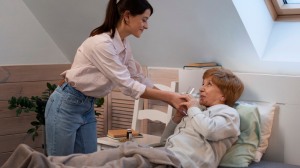
Home care staff can assist with exercises, helping ensure the movements are suitable and minimizing the potential for injury.
Maintaining Your Mental & Emotional Wellbeing
In addition to physical health, your mental well being is equally important during the winter. Prolonged lack of sunlight and social interaction can lead to anxiety, low mood, and cognitive decline.
Several effective methods to support mental health include:
- Conversation/companionship daily
- Games/puzzles/reading memory stimulation
- Music, art, or other creative hobbies
- Consistent daily routine
National studies reveal that approximately one-third of seniors experience loneliness, which is associated with a higher risk of developing depression and cognitive decline. Maintaining communication with caregivers daily is integral to establishing emotional stability.
Keeping Yourself Engaged & Entertained Inside During the Winter Months
There are several ways to stay engaged and entertained indoors during the winter months to keep seniors mentally stimulated and emotionally satisfied.
Some popular engagement options include:
- Watch classic movies or TV shows together
- Prepare/cook simple meals/bake
- Participate in video calls with family/friends
- Complete light household chores that give them a sense of purpose
Structured daily activities can motivate seniors to participate, become involved, and feel connected.
Role of Home Care in Supporting Winter Wellness
Caregivers working in-home environments support seniors by providing consistent care throughout the winter months, including:
- Safe assistance with mobility to minimize the risk of falls
- Reminder of medication and health monitoring
- Emotional support/conversation
- Motivation to engage in physical and mental activities
Research reveals that seniors with ongoing in-home care experience a 20-25% reduction in emergency hospital admissions due to the in-home caregiver’s proactive interventions and daily observations during the winter months.
A Healthier, Safer Winter at Home
Just because it is winter does not mean that seniors have to be inactive or disconnected. A proper care plan allows seniors to be active, healthy, and emotionally supported – all from the comfort of their own home.
Angel Care Inc. HHA believes that winter wellness is about much more than just staying safe – it is about maintaining a senior’s quality of life, dignity and connection. We are committed to supporting our seniors in navigating the winter months with confidence, comfort, and compassionate care – right where they feel most secure – in their own home.
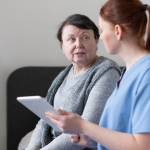
January is an ideal time for family members of elderly individuals to reflect and make changes toward improving their daily lives, health requirements and well-being. At this time of the year, families have an opportunity to review their current home care aide plans and create a revised plan for 2026 if necessary. This will enable families to create a more comfortable, safe, independent living environment for the elderly and enhance their emotional well-being while also giving families a sense of relief knowing their loved one has a solid care plan in place. According to United States aging demographics, over 90% of older adults prefer to live in their own homes and approximately 80% state that receiving care at home increases their overall quality of life. Home care enables elderly individuals to continue to live with dignity in familiar surroundings instead of having to adjust to unfamiliar institutional settings. Why January Is The Best Time To Evaluate And Make Changes In Home Care Plans Over time, a senior's needs may change without families recognizing those changes immediately. January is a good time to check-in on what is working and what is not working within a senior's current home care plan. Reasons why January is an excellent time to assess a senior's care plan include: Changes in mobility, balance or strength Winter months are when older adults are more likely to slip and fall. Any new medication(s) or medical condition(s) Elderly signs of loneliness, anxiety or depression Increasing need for daily assistance Research shows that one out of every four (25%) seniors falls each year; falls represent the number one reason that older adults are hospitalized. Planning a proactive approach to senior home care can greatly reduce the likelihood of falls. Ways Home Care Supports Elderly Individuals Home care professionals go above and beyond simply assisting a senior with their daily activities. Physical Comfort and Safety Assistance with bathing, dressing and mobility Prevention of and supervision after falls Assistance with meal preparation and hydration Reminders to take medications as prescribed and regular monitoring of medications Studies indicate that seniors who receive home care on a regular basis experience between 20-25% fewer emergency hospital visits because of the early intervention and constant observation by home care providers. Emotional Wellbeing and Companionship Loneliness is a significant issue for many older adults. According to national surveys, almost 1/3 of all seniors report experiencing feelings of loneliness on a regular basis and that loneliness can negatively affect a senior's mental and physical health. Home care providers offer: Social interaction and conversation on a daily basis Emotional reassurance and companionship Motivation to remain mentally and socially active Regular social interaction through home care services plays a critical role in keeping a senior motivated, confident and in a good mood. Independence and Dignity One of the biggest advantages of home care is preserving the independence of the elderly. The elderly can continue to manage their schedules, routines and environments which helps them to maintain their self-esteem and dignity. Personalized care plans allow for support to be adapted to meet the unique needs of each elderly person. Care evolves as the needs of the elderly change The elderly are treated with respect and do not feel confined or restricted. Annual Revisions to Senior Care Plans An effective home care plan is not static; it should be evaluated on an annual basis and changed as needed based upon the changing health, mobility or emotional needs of the elderly. Families that revise their care plans annually report greater satisfaction with their plans and better long-term results for their elderly loved ones. Having a comprehensive plan prior to issues arising in the future, allows families to focus on supporting their loved one rather than being forced into making crisis-driven decisions in the future. Entering 2026 with Confidence A new year represents opportunities, hope and stability. Investing in the right home care plan today will enable a senior to live a safer, calmer and more supportive life in 2026 for themselves and for their family. At Angel Care Inc., we believe that high-quality home care is more than just providing assistance to the elderly -- it is about establishing a relationship built on trust, compassion and true human connection. As we begin 2026, let us help you develop a care plan that supports comfort, independence and dignity from the comfort of your elderly loved one's home, where it counts most.

With a rapidly growing senior population, navigating the complex world of home care in New York has become increasingly difficult for many seniors and their families – especially when it comes to knowing their rights, what Medicaid funded programs are available, and what responsibilities fall to the home care agencies they work with. With all this going on, understanding their home care rights in New York State is becoming more important by the day to make sure seniors get the best quality, safest, most respectful care they deserve, at home. According to data from New York State, nearly 1.4 million people currently rely on some type of home care; that number will likely continue to grow as more seniors decide to stay in their homes instead of moving to nursing homes or other long term care facilities. By knowing your rights you can help protect the quality of care and peace of mind you want for yourself and your loved ones. Right to Get Care At Home New York seniors have the right to receive care in the least restrictive way possible; for many seniors, that means receiving care in their own home. Research shows that over 90 percent of older adults would like to age at home rather than move to an assisted living facility or nursing home. Home care can include: Personal care (showering, dressing, walking assistance) Companionship and supervision Preparation of meals and light housekeeping Reminders of medication and general health monitoring A key element of a care plan is that it is person-centered, meaning each service is tailored to meet each individual's specific needs, not everyone receives the same services. Eligibility For Medicaid Funded Home Care Services Medicaid plays a significant role in financing home care services in New York. It is estimated that over 70 percent of all home care services in New York are financed through Medicaid. Important Medicaid rights include: The right to be assessed for home care eligibility The right to receive services after an approval of home care services The right to appeal if home care services are reduced or denied The right to select a Medicaid-approved home care agency Importantly, families should understand that home care hours are determined by a senior's medical and functional needs – not by the availability of home care agencies. How CDPAP Works (Consumer Directed Personal Assistance Program) CDPAP is a New York State program designed to give seniors more control over their care. Through CDPAP, eligible seniors can: Select their own caregiver (such as a family member or friend) to provide care Control how and when care is provided Maintain their independence and still receive Medicaid-funded assistance Recent New York State reports indicate that over 250,000 New Yorkers utilize CDPAP, making it one of the largest home care options available to New York State residents. Duties Of Licensed Home Care Agencies All licensed home care agencies in New York have specific legal obligations. These obligations include: Hiring caregivers who have been properly trained and have undergone thorough background checks Following a care plan that was developed by a qualified professional Respecting the rights and privacy of patients Providing adequate communication with families Promptly addressing concerns or complaints of families Home care agencies are required to operate under regulations established by the New York State Department of Health, which provides additional protections for seniors. Family Rights And Advocacy Families also have important rights, including: Having access to care plans and updates about their loved ones' care Being able to report any problems or concerns regarding care without fear of retaliation Being included in decision-making related to the care of their loved ones Requesting a reevaluation of care needs if those needs change Studies have shown that families who actively participate in the planning process for their loved ones' care experience better outcomes and greater satisfaction with home care services. What The Future Holds (2026) As policies continue to evolve and the demand for home care continues to increase, having knowledge of home care rights is the greatest defense. Having knowledge of home care rights will enable families to plan ahead, avoid making decisions during crises and provide consistency and dignity to the care received by seniors. At Angel Care Inc. Brooklyn, we believe quality home care begins with transparency, trust and education. We support our clients and their families in learning about Medicaid, CDPAP and the obligations of home care agencies, so that they can confidently advocate for themselves and their loved ones to receive the highest level of care possible.
