



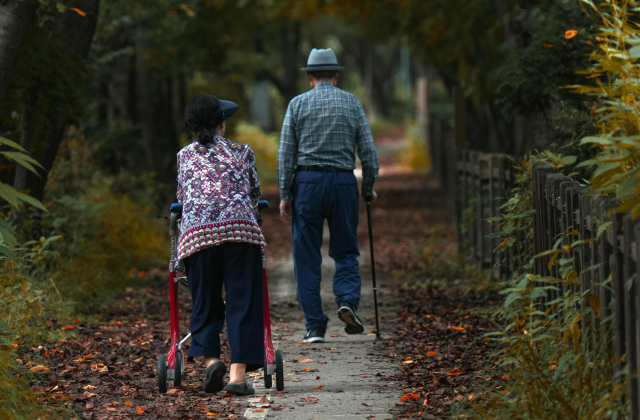
Resilience & Recovery for Older Adults in Brooklyn, New York
Ask nearly anyone living in Brooklyn that has lived there for 20-30+ years and ask them what continues to give them a sense of purpose. If you asked them what gives them motivation, they will not tell you “the pill” or “my new doctor.” Instead, they will say something such as, I am looking forward to seeing my grandson perform in his school play next week. Or they may say, I need to get into the park by April so I can tend to my garden. Or finally, we have cards every Thursday for 23 years and I cannot let that stop. As it happens, purpose is not a luxury item in the elderly. Purpose is a health variable.
Brooklyn is a city that does not like to slow down. The reason Brooklyn feels alive is due to its fast pace and the crowds that walk on the sidewalk. That is also true for Brooklyn’s elderly. While some might think that it would be wonderful to see the elderly sitting quietly sipping tea, or maybe just taking a nap. Those days are largely behind us. We are working with those spirits, not against them, in order to provide quality care to the elderly.
What Makes People Stay Healthy
Over the last few decades, the way that we discuss senior health has changed dramatically. Beforehand, our focus was primarily on reducing/controlling disease and minimizing physical decline. However, we now consider a wider perspective – one that considers purpose, social connections, environmental factors, and independence as actual health variables.
There are numerous studies showing that older adults who continue to connect with others (whether it be through church communities, cultural groups, senior centers, or their neighborhoods) display improved health status compared to those who don’t. These individuals are healthier overall. They also recover quicker when ill. Their hospitalization rates are lower. And their reports of their lives’ quality and rates of clinical depression are better. Since Brooklyn is so densely populated, these positive aspects of connecting with others are available to most seniors – however, they require effort to continue maintaining especially after a health problem interrupts routine.
We should give more recognition to the importance of routine. Routine is important for older adults. A structured day-to-day schedule – consistent waking hours, regular meals, habitual movement/exercise, etc., provides a foundation of stability and support for both physical and mental/cognitive health. Once an individual experiences a break in their structured routine due to illness or injury – establishing it again intentionally is one of the best things they can do to aid in their recovery.
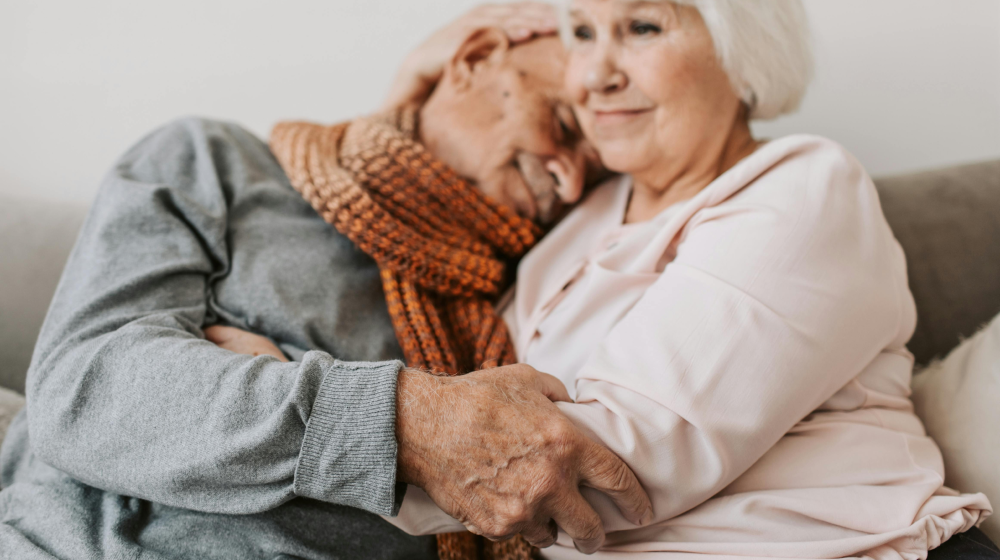
Dealing With a Temporary Disability
A short-term loss of ability (due to e.g. knee surgery/replacement, heart procedures/surgery, infections/neurological events, etc.) creates its own set of frustrations. The time frame between what someone was able to accomplish one month ago versus what they were able to accomplish today is very tangible. This distinction manifests itself in ways such as having to spend four times as long dressing in the morning as one did prior to the injury/disability. Similarly, making dinner has turned into planning/balancing food preparation to accommodate limitations previously not considered.
Success during this stage begins with recognizing that this is indeed a temporary state while simultaneously avoiding using this acknowledgment as an excuse to avoid adapting appropriately. The recovery process has real demands and meeting those demands is what ultimately determines how complete a person’s ability to function in their previous capacity is upon completing recovery.
- Take care of your working joints/muscles. When an area of the body is hurt/injured/post operative, the rest of the body compensates – and prolonged compensation leads to secondary issues which can occur if left untreated. An experienced PT can recognize these patterns early on and assist in correcting them before they become chronic. Adhere strictly to the PT’s instructions – specifically those that may appear too conservative.
- Be truthful about pain management. Untreated pain hinders a patient’s desire to participate in activities, adversely affects sleep patterns and lengthens the recovery time. Conversely, excessive use of pain relief (especially opioid-based) in older adults presents serious side effects including increased risk of falling and/or becoming confused along with dependency. Ultimately, the objective of pain management is to allow patients to rehabilitate without being sedated; thus achieving a delicate balance of adequate comfort vs. adequate functionality is worth thoroughly discussing with a physician.
- During periods of limited mobility take good care of your skin. Pressure ulcers develop faster than most would anticipate especially among adults over age 70 and prevention is vastly simpler than treating them. Simply changing positions regularly, keeping the skin clean and lubricated and utilizing proper cushions on chairs and mattresses can go a long way toward protecting your skin.
- Preparation for emotional difficulties related to temporary dependency. Being temporarily dependent on others is difficult, especially for individuals who have spent decades demonstrating capability and independence. Anger/frustration/grief/impatience are common reactions to situations that are abnormal not indications of weakness/poor attitude. Identifying these emotions instead of dismissing them will make dealing with them easier.
The Discussion Most Families Avoid Until Later
Our research at Angel Care Inc. NY HHA demonstrates that families who effectively deal with caring for their elderly relatives have engaged in discussions with their loved ones regarding their wishes PRIOR TO experiencing a medical emergency requiring those conversations. What would mom prefer if she could no longer safely negotiate her stairs? What would dad prioritize if he experienced significant declines in his health? What type of assistance would be supportive vs. intrusive?
Those conversations are unpleasant because they force participants to acknowledge that changes will happen in their lives. Nevertheless, families who engage in those discussions learn something valuable: many older adults have definite/desirable preferences for how they wish to receive care and those preferences are much more easily respected when acknowledged ahead of time.
- Homecare is beneficial when it aligns with an individual’s situation/preferences;
- Homecare maintains seniors within familiar environments surrounded by their community and routines;
- Homecare provides professional assistance tailored to meet each client’s specific needs;
- Homecare offers family members an opportunity to assist their loved ones in a manner that is manageable.
As opposed to overwhelming homecare affords clients the perception that they are still directing their own lives as opposed to existing solely under another’s control.
If you have questions or what to find care for your loved one don’t hesitate to reach our team Angel Care Inc. today!
Most Brooklynites have had some variation of this same conversation that takes place in kitchen and/or living room settings throughout the borough. Conversations such as; "Mom/Father forgot to take their medication", "Grandma/Grandpa seem a little shaky walking." Or a neighbor that has not left their house for a week. Then the conversation becomes about what you do next? Family in Brooklyn have always taken care of their own. Being self-reliant is part of the culture of almost every community in Brooklyn. There is a strong desire to keep personal issues within the family unit. For the most part this produces positive results. However, it also can delay important discussions that could make life much simpler for everybody involved if done sooner rather than later. The Invisible Labor of Family Caregiving According to an estimate, there are approximately 1.4 million people in NYC providing free labor to assist an elderly/disabled relative. In Brooklyn, this includes; working adults that hold full-time employment and still manage their parents' medical appointments, spouses in their 70s caring for a spouse with dementia, and teenagers assisting with tasks that were never formally delegated to them. None of this visible labor appears in a budget or workforce statistic, however this type of labor can be very taxing mentally/emotionally. Burn-out of caregivers is a reality, and there are actual clinical definitions associated with it. Burn-out looks similar to depression in terms of; persistent fatigue, irritation, feeling stuck, withdrawal from social activities. When a caregiver reaches this point, the quality of care they are able to provide to their loved one decreases, and their overall health suffers. Asking for help is not a sign of weakness. In fact it is often what enables the caregiver relationship to exist at all. Identifying Times When Additional Assistance May Be Required While there may be individual indicators that suggest additional assistance is required (i.e., a fall), none of these indicators alone should be cause for alarm. As a whole though, these indicators are worth exploring, and worth sharing with the individual(s) involved -- even if doing so feels difficult/uncomfortable. Older adults typically recognize when they are having difficulties prior to seeking help due to embarrassment/shame/loss of independence fears. These fears deserve to be acknowledged and addressed. Accepting help does not equate to giving up independence. Often times accepting assistance helps preserve it. An individual receiving assistance with basic needs (bathing, meals, and medication management) can continue residing at home/community long after individuals refusing all forms of support experience a crisis requiring a more drastic form of intervention. Changes That Can Provide Meaningful Relief When managing a temporary disability/health limitation, the first priority is to address concerns related to the home environment. Most accidents occur in environments familiar to us, primarily due to our lack of awareness/familiarity. Bathrooms are particularly hazardous due to the presence of slippery surfaces/water/limited space. Simple modifications can add considerable safety benefits. Installation of grab bars near toilets/showers takes less than 60 minutes and can prevent injuries that may take months to recover from. Adequate lighting in hallways/staircases can minimize risks associated with limited visibility. The use of a shower chair/bench eliminates the necessity to balance on wet tile while fatigued. Medical alert devices can quickly notify authorities in case of a fall resulting in an extended emergency response period. Adhering to a structured daily routine can aid in physical recovery following surgery or other serious illnesses. Establishing routines that include waking at set times/eating at established times/resting at predetermined times, and participating in the prescribed level of physical activity can regulate bodily functions and contribute positively to recovery. While variability/predictability may appeal to some, they generally oppose recovery processes. Recovery from surgery/serious illness also requires social interaction. Studies have shown that even brief interactions (daily phone calls, visits, messaging friends) can improve/maintain mental well-being, pain tolerance/reduction, and motivate participation in rehabilitative programs. Social isolation, on the other hand, has been linked to delayed recovery/slower recovery rates/higher rate of post surgical complications/depression. A Different Type of Assistance At Angel Care Inc. NY we've worked with numerous Brooklyn-based families, which has provided us insight into how unique each family's situation can be. We have clients who require several hours/day of support following a hospital stay, others require only a few hours of assistance per week (assistance with grocery shopping/a ride to a medical appointment/preparation and checking of medications), and many just want assurance that there is a trusted/supportive person available so family members who reside elsewhere can relax. We seek staff who possess the ability to build relationships/trust with our clients and the patients we serve - in addition to possessing qualifications/experience. Our caregivers receive extensive training and are carefully selected based on a variety of factors including; personality/behavioral traits/demonstrated compassion/patience/capacity to observe/assist. Brooklyn has given so much to the people who chose to build their lives here. Our mission is to ensure those people are able to continue living in Brooklyn/home/community with dignity as long as possible - supported by our professionals at Angel Care Inc. NY

Summer is here and it’s hot everywhere in NYC. The heat is one of the biggest threats to seniors’ health and safety in Brooklyn. Older adults are much more likely to experience heat-related illnesses than other age groups – and in dense urban areas like Bay Ridge, Flatbush and Sunset Park with less access to parks, and high-rise apartments where heat builds up, the threat is even greater. Every day through-out the summer, at Angel Care, we provide HHA care and support to many senior citizens and their families from around Brooklyn. We focus on helping them stay safe during the summer months, so we’ve put together this guide to help you keep your aging parents or grandparents safe from the heat. Drink Water Even When You Don't Feel Like It A critical thing to know about seniors and heat is that seniors may lose their ability to feel thirsty. They may become dehydrated before they realize they need to drink. Establishing good hydration habits will make staying safe from dehydration easier: Help your loved one drink water hourly during the summer months Have cold water available at all times Eat hydrating foods like watermelon, cucumbers, celery, and oranges Drink herbal teas and diluted juice as a source of fluids Limit or avoid caffeinated beverages, including coffee, tea and soda; and alcoholic beverages that increase dehydration Schedule Your Time Outside Correctly Prospect Park, the promenade along the waterfront in Bay Ridge and Marine Park are great places to go outside when it's cool. While there are plenty of opportunities to enjoy Brooklyn outdoors, it's best to plan your summer outings when it is cooler — either in the early morning hours or early evening. Always dress your loved one in loose-fitting clothes, use sunscreen and wear a hat. Create a Cool Indoor Environment Not everyone has air conditioning in their Brooklyn apartment. And for a senior citizen who lives by themselves, controlling temperature inside the house can be a major problem. Close curtains and blinds during peak sun hours to block out the sun. Fans can be used to circulate air. Using a bowl of ice in front of a fan produces an interesting way to create some cooling. During extreme heat waves, Brooklyn public libraries and community centers can be used as free cool-places. Be Aware of Danger Signals Both heat exhaustion and heat stroke can occur rapidly and usually without any warning. Watch for these signs in your loved one: Signs of heat exhaustion include: Sweat heavily Feel weak or tired Feel dizzy or lightheaded Feeling nauseous or vomiting Skin appears cool, pale, or clammy Headaches or muscle spasms Symptoms of heat stroke (which is a medical emergency - call 911 right away): Skin that is hot, dry but no sweat Disoriented or confused Pulse is rapid or irregular Unconscious If you notice any signs of heat exhaustion, move your loved one to a cool environment, offer water, and apply cool damp cloths to the skin. If symptoms do not improve promptly or heat stroke is suspected, seek emergency medical attention without delay. How Angel Care Can Help For families who worry about an elderly parent or relative managing alone during the summer months, Angel Care's professional home care team provides reliable, compassionate support throughout Brooklyn. From ensuring regular hydration and preparing light, cooling meals to accompanying clients on safe outdoor outings, our caregivers are trained to keep seniors comfortable and safe whatever the season. If you'd like to learn more about how Angel Care can support your family this summer, get in touch with our Brooklyn team today.
