



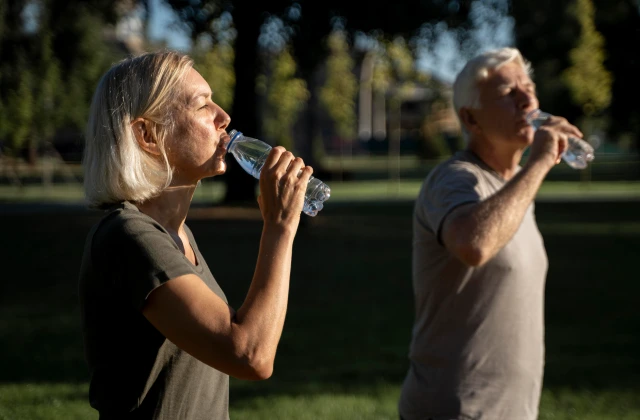
Beating the Brooklyn Heat: Summer Safety Tips for Seniors at Home
Summer in New York City is unforgiving. By the time the sun reaches its peak during July, Brooklyn sidewalks are so warm you’d think they were actually radiating heat; many of our city’s subway stations are almost too hot to tolerate; and the air feels heavy with moisture making all of your daily tasks seem even longer than usual. The average person experiences a long day from a hot day; for an elderly adult, it may be a serious health issue. We provide care on behalf of Angel Care Inc. to seniors throughout Brooklyn and the five Boroughs on a daily basis — and as such, providing care and support to seniors has never been more important than it will be this summer.
Here is information to assist each senior and their respective caregivers to safely navigate their days when the temperature increases.
Why Heat Hits Seniors Harder
The human body is remarkably good at regulating its own temperature — but that ability weakens with age. Seniors are more vulnerable to heat-related illness for several reasons:
- The body’s ability to sweat and cool itself naturally declines over time
- Chronic conditions such as heart disease, diabetes, and kidney disease reduce heat tolerance
- Common medications including diuretics, beta-blockers, and antihistamines interfere with the body’s cooling response
- Reduced sense of thirst means many older adults don’t drink enough water even when they need it most
- Limited mobility makes it harder to move to a cooler environment quickly
This combination of factors means a senior can go from uncomfortable to dangerously overheated faster than anyone around them might expect.
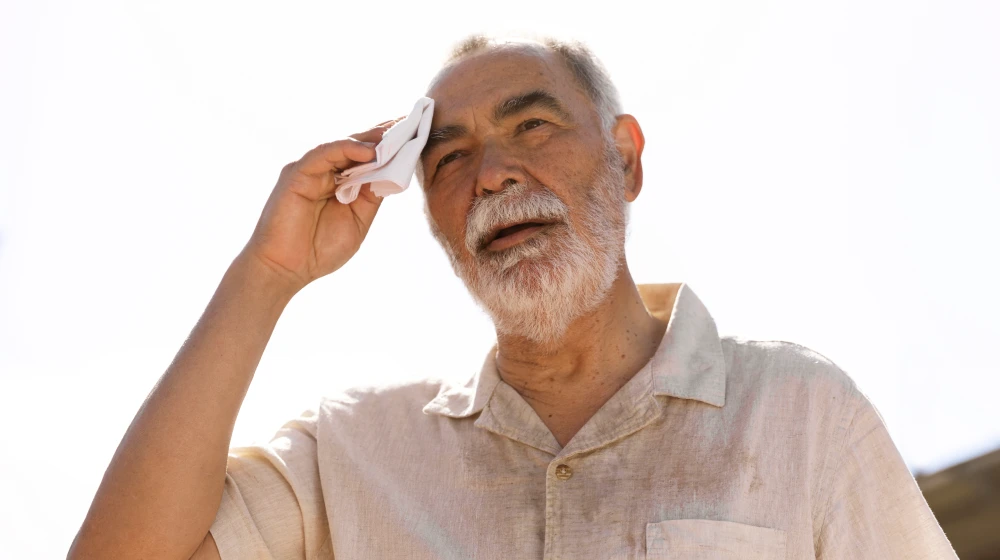
Know the Warning Signs
Heat-related illness progresses in stages, and catching it early makes all the difference. Watch for these symptoms:
Heat exhaustion:
- Heavy sweating and cool, pale, clammy skin
- Weakness, dizziness, or fainting
- Nausea or vomiting
- Fast, weak pulse
- Muscle cramps
Heat stroke (a medical emergency — call 911 immediately):
- Body temperature above 103°F
- Hot, red, dry skin with no sweating
- Rapid, strong pulse
- Confusion, slurred speech, or loss of consciousness
If a senior shows signs of heat stroke, move them to a cool place immediately, apply cold wet cloths to the skin, and call emergency services without delay.
Practical Tips to Stay Cool at Home
You don’t need to leave the house to beat the heat — but you do need a plan. Here’s what works:
- Keep the home cool. Air conditioning is the most effective protection. If the AC isn’t working properly, address it before the heat peaks — not during a heat wave when repair services are overwhelmed
- Block out the sun. Close blinds and curtains on south- and west-facing windows during the hottest part of the day, typically between noon and 5 PM
- Use fans strategically. A fan alone won’t prevent heat illness when temperatures are very high, but combined with AC it helps circulate cool air more efficiently
- Cool the body directly. Damp cloths on the neck, wrists, and ankles, cool showers, and lightweight cotton clothing all help lower body temperature quickly
- Avoid heat-generating appliances. Cooking on the stove or using the oven adds significant heat to a small apartment. Opt for no-cook meals, cold dishes, or a microwave during heat waves
Hydration: The Non-Negotiable
Dehydration is the hidden engine behind most heat-related illness in seniors. The challenge is that older adults often don’t feel thirsty even when their body needs fluids urgently. Make hydration a routine, not a reaction:
- Aim for at least 6–8 glasses of water per day, more during heat waves
- Keep a water bottle or glass visible and within easy reach at all times
- Eat water-rich foods: watermelon, cucumbers, oranges, strawberries, and celery all contribute to fluid intake
- Avoid alcohol and limit caffeine — both accelerate dehydration
- If plain water feels boring, try herbal iced teas, diluted fruit juice, or water with lemon and mint
Getting Out Safely
Sometimes errands can’t wait. If a senior needs to go outside during a heat wave:
- Schedule outings for early morning, before 10 AM, or after 6 PM when temperatures drop
- Always carry water
- Wear light-colored, loose-fitting clothing and a wide-brimmed hat
- Never sit in a parked car — temperatures inside can reach deadly levels within minutes
- Know the location of the nearest cooling center; NYC opens free public cooling centers across all five boroughs during heat emergencies
How a Home Care Aide Makes the Difference
For seniors living alone, the greatest risk isn’t always the heat itself — it’s having no one nearby to notice when something is wrong. A professional home care aide provides:
- Regular check-ins and monitoring of how the senior is feeling throughout the day
- Reminders to drink water and eat cooling foods
- Help with light household tasks so the senior doesn’t overexert themselves
- Immediate response if symptoms of heat exhaustion or heat stroke appear
- Peace of mind for family members who can’t be present every day
Summer in Brooklyn can be brutal, but with the right preparation and the right support, it doesn’t have to be dangerous.
Contact Angel Care today to learn how our home care services can keep your loved one safe and comfortable all summer long.
What many of you have seen as part of your daily weather has been El Niño. It was recently described by meteorologists as one of the biggest climate events in recent history. Many New Yorkers now want to know what this will mean for them over the next few months. We serve many senior citizens and their families at Angel Care each day in all five boroughs. So knowing what is likely to happen this summer is much more than casual conversation to us. (NASA Earth Observatory image by Lauren Dauphin) What Is El Niño, and Why Does It Matter? El Niño is an oscillating or periodic climate condition caused by warmer than normal oceanic temperature at the surface level of the equatorally positioned Pacific Ocean. The effects from this increase in surface temperature will ripple to other areas of the world as atmospheric weather patterns shift globally. Recently, scientists have reported that there are currently official El Niño conditions: Temperature and heat indexes Storm frequency and precipitation patterns Atlantic hurricane season Relative humidity levels within the Northeast Will New York See Extreme Heat? The short version is that you should expect a hotter-than-average summer but not necessarily an all-time high temperature record. Forecasters in the Northeast predict a warm-up with increased humidity during what would normally be the end of the hot season (in other words, less frequent long-lasting droughts), so instead of long-term heat waves seniors will experience many more humid/muggy days where it may feel like there's no escape from the heat, even once it cools down after dark. The dangers of these types of heat conditions for seniors can be similar to those caused by extremely high temperatures because: Reduced ability to regulate body temperature Chronic conditions such as heart disease or diabetes Certain medications that affect hydration or circulation Limited mobility that makes it harder to seek cooler environments Staying hydrated, keeping interiors cool, and having someone check in regularly aren't just good habits this summer — they're essential. What About Hurricanes and Storms? Here is some good news; El Nino generally reduces the number of Atlantic Hurricanes. El Nino warms the upper atmosphere in the Pacific Ocean causing changes to the upper atmospheric winds. These changes cause disruptions to storm formations (pre-hurricane) preventing them from organizing or gaining strength. Forecasting organizations currently have projections for a below average hurricane season for the Atlantic. Although we can breathe a sigh of relief regarding our hurricane chances, there is no reason to put your flashlight on the shelf quite yet. The Northeast can still experience: Flash floods from sudden heavy rain showers Afternoon Thunderstorm activity during most days of July and August Bouts of severe weather lasting anywhere from seconds to hours Storms forming directly off the coast with very short warning time All New Yorkers should continue to monitor weather forecasts from July through October. How Angel Care Helps Families Stay Prepared The unpredictability of summertime conditions is another reason that a reliable and professional home care service is crucial for your senior’s needs. As well as providing basic support during seasonal challenges, our caregivers will assist your senior with: Providing hydration assistance and monitoring for early symptoms of heat stroke Assisting with ensuring air conditioning units and fans are working appropriately Assisting with errands and other scheduled activities on hot days when traveling may be a challenge Being available and responsive to their needs if there is a sudden severe weather event If you have an elderly family member living alone at home this summer, now is a great opportunity to create a plan so that if the power goes out due to a heat emergency, or they experience an unannounced severe thunderstorm, etc., it can be handled without creating a panic. Contact Angel Care today to discuss a personalized summer care plan for your loved one. We're here rain or shine.

As the weather warms up in Brooklyn, many people lose interest in food. In addition to the heat itself, there are less discussed concerns with regards to older adults' diets as they decline from being able to eat because eating becomes too difficult during warm afternoons. Older adults who have fewer calories due to portion size reductions or meal skipping may be severely under-nourished when their body needs optimal nutritional intake during warmer months. Angel Care Inc. sees this scenario unfold each summer. Fortunately, it does not take an excessive amount of energy (or the expense of preparing large meals) to maintain adequate hydration and nutrients through your diet. Simply use smarter methods of preparation by using foods that help provide both hydration and nutrition. Why Appetite Drops in Summer — and Why It Matters The body's appetite regulation is closely tied to core temperature. When we're hot, digestion slows and the brain suppresses hunger signals to reduce the internal heat generated by metabolizing food. For younger adults, this is a minor inconvenience. For seniors, it can tip quickly into: Unintended weight loss and muscle wasting Fatigue and weakness that increases fall risk Dehydration, since many fluid-rich foods are skipped along with meals Poorer immune function and slower wound healing Difficulty managing chronic conditions that depend on consistent nutrition, such as diabetes or heart disease Skipping meals in summer isn't harmless. It's a pattern worth taking seriously and addressing proactively. Build Meals Around Hydration The single most important shift for summer nutrition is choosing foods that do double duty — nourishing the body while also contributing to fluid intake. Many older adults don't drink enough water even when they're trying to, so eating water-rich foods throughout the day is a reliable way to close the gap. Foods with the highest water content include: Watermelon and cantaloupe (over 90% water, naturally sweet, easy to eat) Cucumber, celery, and zucchini (mild flavor, pair well with dips and light dressings) Strawberries, peaches, and oranges (portable, no preparation needed) Lettuce, spinach, and other leafy greens (the base of a hydrating salad) Tomatoes (versatile, refreshing eaten fresh or in cold dishes) Broths and soups served cold or at room temperature Aim to include at least two or three of these in every meal during hot weather. Light Meal Ideas That Actually Work The goal is meals that are easy to prepare, easy to eat, and don't require turning on the oven. Here are practical ideas organized by time of day: Breakfast: Greek yogurt with fresh berries and a drizzle of honey — high in protein, calcium, and probiotics Overnight oats prepared the evening before and served cold with sliced banana or peaches A smoothie made with frozen fruit, low-fat milk or kefir, and a handful of spinach — no cooking, maximum nutrition Cottage cheese with sliced cucumber and a few cherry tomatoes Lunch: A large salad with leafy greens, chickpeas or canned tuna, avocado, and a light olive oil dressing A cold grain bowl with cooked quinoa or farro (prepared in advance), roasted vegetables from the fridge, and hummus Chilled gazpacho with whole grain bread — a complete, refreshing meal that requires zero cooking once made Whole wheat wrap with turkey, avocado, lettuce, and tomato Dinner: Poached or baked salmon served at room temperature with cucumber salad — omega-3 rich and light on the stomach Cold pasta salad with vegetables, olive oil, lemon, and white beans for protein A mezze-style plate: hummus, pita, sliced vegetables, olives, and a hard-boiled egg — no cooking required Lentil soup made in the morning or the night before, served at room temperature Snacks: Sliced watermelon or a bowl of mixed berries Apple slices with almond butter A small handful of nuts with a few dried apricots Cheese and whole grain crackers Frozen banana blended into "nice cream" — naturally sweet and cooling Nutrients That Matter Most in Summer Beyond hydration, summer nutrition for older adults should pay particular attention to a few key areas: Potassium — lost through sweating and essential for heart and muscle function. Found in bananas, avocado, sweet potato, and white beans Magnesium — supports energy production and helps prevent muscle cramps. Found in leafy greens, nuts, seeds, and whole grains Vitamin C — supports immune function and skin health. Found abundantly in summer fruits like strawberries, peaches, and citrus Protein — critical for maintaining muscle mass, which declines with age and accelerates when appetite is suppressed. Every meal should include a protein source, even a small one Sodium — often restricted for heart patients, but seniors who sweat heavily may need guidance from their doctor about maintaining electrolyte balance during heat waves Practical Tips for Making It Happen Good intentions don't always translate into good eating, especially for seniors living alone or those with limited energy. A few strategies that help: Batch cook in the morning or evening when temperatures are lower, then refrigerate for easy meals throughout the day Keep grab-and-go options at eye level in the fridge — if it's visible and easy to reach, it gets eaten Use a meal schedule rather than waiting for hunger signals, since appetite suppression in heat means hunger cues can't be relied upon Make it social when possible — eating with a companion, whether a family member, neighbor, or caregiver, consistently improves both appetite and intake in older adults Small portions, more often — three large meals may feel overwhelming in summer heat; five or six small ones spread through the day are easier to manage How Angel Care Supports Healthy Summer Eating Our caregivers provide much more than companionship at mealtime. In addition to being present for our clients as they shop, our caregivers assist with grocery shopping so our clients receive the freshest, most abundant produce of each season. As the heat rises, many people find it difficult to prepare food for themselves; however, we understand this does not need to be an issue. We will assist with preparing meals while the temperature cools down. We also monitor whether our clients are consuming their normal amount of food. If we discover your client is avoiding meals or has lost weight, we will contact you to report this condition before it becomes serious. Although nutrition may seem like it would be affected by the warmer temperatures of summer, the opposite can be true. When the proper support is provided, summer can be one of the healthiest times for seniors to eat. Fresh fruits are plentiful and at their peak flavor during the summer months. Cold foods become appealing in warmer climates, and the numerous seasonal offerings from local farmers' markets throughout New York allow families to affordably feed their loved ones nutritious foods. To see how Angel Care provides supportive care to the daily needs of seniors in Brooklyn and surrounding areas -- and ensures they consume a balanced diet, drink plenty of water, and thrive through the entire summer -- please call us today to learn about our in-home care services.
