




Preparing for Hurricane Season: An Emergency Plan for Homebound Seniors
It’s also now the best time for family members who care for elderly relatives living in the home in Brooklyn or throughout New York City, to create an emergency plan before reports surface about any hurricanes that may be heading into our area. Preparing for emergencies isn’t about preparing for disasters. It’s about reducing stress, while you’re dealing with enough stress on your own. Here’s a simple, helpful guide to assist homebound seniors and their families prepare from Angel Care Inc.
Know Your Zone
New York City divides its area into Hurricane Evacuation Zones. The location of your loved ones’ homes can determine if you will need to evacuate based upon your home’s hurricane evacuation zone designation. The city continually revises its flood maps; therefore, each family should review the current evacuation zones for their loved ones’ home(s) to understand where they would go in the event of a large storm. An annual check of NYC Emergency Management website is recommended because boundaries of the hurricane evacuation zones may have been changed.
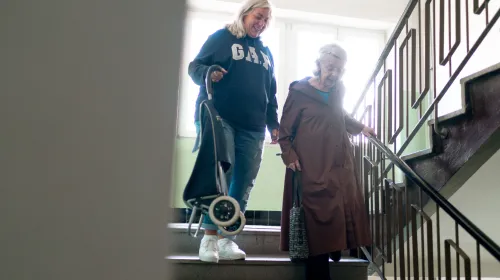
Build an Emergency Kit Together
A senior needs an emergency kit that will help them prepare for a disaster. Some things are even more critical for older adults, compared to those who are younger.
- Prescription medications for a minimum of 7 days with a list of medications (prescribing doctor, dosage);
- Important documents (Insurance cards, ID, Medicare/Medicaid info., medical history), all stored in a waterproof file;
- Battery powered radio/hand cranked radio (for news reports on TV & Radio when electricity fails);
- Extra Batteries & Flashlights;
- Non-perishable Food & Water for at least 3 days;
- Backup Power Source/Battery (for life sustaining Medical Equipment i.e. Oxygen Concentrator, CPAP machine, etc.);
- List of Emergency Contacts (Family Members, Doctors, Home Care Agency)Clothing (comfortable/seasonal), Basic First Aid Supplies.
This should be reviewed every two years, prior to Hurricane Season and towards the end of it so you can discard expired medication and food
Plan for Power Outages
When it comes to senior citizens who rely on electrical devices (e.g., oxygen concentrators, dialysis machines, electric wheel chair chargers), the biggest threat that they will face during severe weather is the loss of electrical service from a storm; not necessarily the wind or rain. The best course of action is to register ahead of time with Con Edison as part of their protective program for all customers using utilities for medical purposes. Also, contact their medical equipment company regarding available battery back-up options.
Think Through Evacuation, Even If You Hope Not to Need It
It is better to prepare an emergency evacuation plan before a hurricane hits, as opposed to waiting until the last minute when you are receiving a real time storm alert. Here are some things that can be considered:
-
A place for them to evacuate too (family members’ homes outside of the evacuation zone, or a designated hurricane shelter by the city);
-
How will they arrive at their destination (especially if they do not own/operate a vehicle or require assistance with mobility devices);
-
Which pets should accompany them, as most shelters have different pet requirements;
-
Who has access to their house key(s) or medical power of attorney document(s) or who is authorized to make decisions on their behalf during a stressful situation.
Stay Informed Without Getting Overwhelmed
Signing up for Notify NYC alerts is one of the simplest things families can do to get official real time updates during severe weather without having to search during tense moments.
How Home Care Aides Help
For families managing care from afar or just juggling their own responsibilities, one quiet benefit of hiring in home care is having another pair of hands and eyes during storm season. Angel Care caregivers can help by:
-
Preparing kits and ensuring medications are current and fully stocked;
-
Monitoring weather alerts and passing along updates to family members;
-
Helping with tasks before storms like securing loose things, charging devices or organizing important papers;
-
Offering calm familiar support during a time that is very unsettling; this is really important for seniors who might worry about storms;
-
Staying closely in touch with agency and family to coordinate continuity of care if travel gets hard.
Preparedness Is a Form of Care
A hurricane plan goes beyond logistics. It reflects the same careful thought and care that we use regularly for caregiving. Planning ahead so that a stressful time doesn’t escalate into a crisis. If your family hasn’t yet put together a plan, hurricane season lasts through fall so there is still time to get ready. Angel Care team would be happy to help build an emergency plan for someone receiving home care or talk through what kind of support might look like during severe weather.

Identifying the point at which your elderly loved one will need help can be a gradual experience. Many times, family members see the little things changing for each member of the family; however, it isn’t always evident to them how these things all tie together as a whole. If you’ve felt like something changed about your aging loved one recently then you are not alone, and you’re definitely not crazy. Below are some common indicators that it may be time to consider in home care. Medication Management Becomes Inconsistent Trouble with managing prescription medications is one of the most obvious signs a senior has lost their ability to do things independently. It could be something as simple as you notice your mother's pill bottle seems full or empty when it shouldn't. Or maybe she misses her morning dose. Or perhaps you find out that she is taking medication at the wrong time. Also, sometimes I'll pick up an unused prescription on my way home from work. I've been keeping all of these prescriptions in a box because I'm afraid if I fill them now and then later down the road I will end up filling some again. Mobility and Fall Risk Increase Watch for (1) hesitation when using stairs; (2) leaning on furniture or walls as you walk; (3) unexplained bruises; (4) a general slowing of your movements. Falls are among the top reasons elderly people are injured. A single fall is the reason many families consider long-term care options. It may be beneficial to notice smaller indicators before such an incident occurs — for example, a loved one who avoids specific areas of a house or certain physical activities because she/he does not feel stable. The Home Starts to Show Signs of Neglect A once- tidy house full of clutter from dirty dishes (days old), spoilt food in the fridge or dirty laundry is a sign that it's becoming harder to do your day to day physical activities, even though you may not have been told this by your loved one. Change In Personal Hygiene & Grooming When people start to wear different clothes than usual, don't bathe as often as normal, or take less time to groom themselves; it may mean these things are now too much trouble to handle on their own due to pain or exhaustion. Isolation Starts to Set In Isolation begins to develop in older adults in many ways that are difficult to detect due to how slow isolation typically develops. A common way to detect if an elderly adult is becoming isolated is by observing them withdraw from social activities they once enjoyed, spend their days in solitude and seem disengaged when being conversed with on either in-person or phone calls. In addition to providing your elderly parent with daily needs such as bathing, eating and dressing etc., a caregiver will also be able to spend time with your parent and have the ability to converse with them. This type of interaction has been shown to make a positive impact on both the quality of life for your parents and their overall well-being. Cognitive Changes Become More Noticeable Occasionally, as people get older, it can be common for them to have some memory issues. But if your loved one has frequent problems remembering where he/she went (even in their own neighborhood), trouble understanding what someone is saying, having trouble keeping track of things from conversation to conversation, and/or repeating the same questions in a few minutes - these are indicators of potential need for additional support/supervision. Family Caregivers Are Reaching a Breaking Point The most obvious indicator may be about neither the elder nor the caregiver; sometimes it's about the one doing the caring for them. Whether you feel over-stretched, burned out, or resentful about the time/energy/your own well-being being spent on caregiving, those are signs that other help may be necessary. When caregivers hire home care workers, they aren’t failing as caregivers; they’re usually allowing the relationship with their loved ones to remain healthy and continue in a positive manner rather than wear down due to logistical demands and emotional fatigue. Missed Appointments or Financial Confusion A pattern of missed medical appointments, unaddressed financial responsibilities, or disorganization as to how to manage everyday finances is an indication that the responsibility of managing every aspect of their daily lives has been placed on the shoulders of the individual alone. You Do Not Need to Figure This Out by Yourself If you are recognizing many of the patterns described above in a loved one; you do not need to have all of the answers today. You simply may want to discuss potential forms of support that would assist them in either managing their daily routine with fewer hours of independent management (e.g., several hours each week) or more direct management and oversight (i.e. daily). For over 20 years Angel Care has assisted Brooklyn and NYC families navigating this very type of transition. We provide support with compassion, understanding and empathy, knowing first hand the challenges associated with making such difficult decisions. If you are experiencing some or all of the indicators above with a loved one, or if you just wish to explore your options regarding what form of care would be best suited for your family, we welcome a non-judgmental discussion of the possibilities.

September may bring us cool morning air, soft sunlight and a new beginning. Yet for some of our elderly, it may represent the end of those longer days of visiting with loved ones outside in warm weather, and the quieting of their daily routines. Maintaining social connections is just as important to maintaining physical activity. Good news; you don't have to be busy to create meaningful connections. Many small consistent actions will allow September to feel warmer, more exciting, and certainly less lonely. At Angel Care Inc., located in Brooklyn, we are committed to providing home care that includes more than assisting with your day-to-day needs. We want to help our seniors stay involved, connect with others and continue to enjoy living within their community. Make the Most of Early Fall Walks September is a pleasant month in which you are likely to be able to spend time outside. Take a short walk around your local park. Walk down a familiar street. Spend some time by the water at the Brooklyn waterfront. While walking and being somewhat active you will have the opportunity to see other people and connect with others from your community.Taking a 20 minute walk with a family member, friend, neighbor or caregiver could make what might otherwise be an ordinary afternoon enjoyable. Bring Back Game Nights Board games and card games make a fun way to entertain and get into conversations. For example, chess, checker board, dominoes, Scrabble, puzzles or just a deck of cards will challenge your brain and provide a comfortable environment that is good for relaxation and great for conversing. Also, you may want to think about turning this into a weekly tradition. Invite your neighbors over for a cup of coffee and a round of a board game or have a small family gathering for afternoons of games. Read — But Make It Social Reading is no longer limited to an individual. A senior that enjoys reading can join a local book club, trade books with other seniors or even read the same book as a family member and talk about it afterwards. Many Brooklyn libraries and community centers provide adult programs such as reading groups, education seminars, lectures and community events. September may also be an excellent month to look at your choices in this area. Try a Community Class or Senior Program New activities will add some excitement to your week. Some examples are art, walking, listening to music, knitting, learning on computers, dancing or attending discussion groups. The goal may be to have a purpose for leaving home and socializing with others. Even though you may not "learn" anything from these experiences, they will likely give you a sense of belonging as well as possibly a purpose in addition to getting out. Put Social Time on the Calendar One of the simplest things we can do in order to avoid being isolated is by incorporating connection into our day-to-day. For example, making it a point each week to call a friend on Tuesdays for coffee on Thursdays or having Sunday lunches with your family will be very helpful as anchors in your life. If there are seniors that require some additional support, a professional caregiver can assist with providing companionship; assisting their senior clients to take walks and go out on trips; and assist with helping them to stay engaged in their daily routines. As this September begins, having just one new thing to enjoy, one new weekly walk, or one new person to talk to each week will make the season seem much brighter.
