




You’re Never Too Old for a New Hobby
Later in life isn’t just when you find out who you are anymore. In fact, it’s often a great opportunity to explore your hobbies and interests again (if they were put on hold) because of work, raising children, or other obligations. Finding a new hobby adds some spice and interest to your daily routine; gives you a sense of purpose; and keeps you social and emotional.
Angel care, inc. Is committed to providing quality home care services that support more than just daily living requirements. Our caregivers are able to provide friendship/companionship, promote or support their client’s favorite activities, and assist clients in continuing to do the things that make them feel like themselves.
Start With Something Creative
Drawing, painting, knitting, etc., are a great source of enjoyment for many individuals as they offer an opportunity for the person to enjoy the creative process rather than the end product. There is no need to be “good” at creating in order to create; simply choosing colors, working with your hands, or creating something may bring you relaxation and satisfaction. Many of these creative hobbies can also provide social interaction through taking local classes, joining community groups or sharing with friends and/or family.

Spend More Time With Nature
There are many ways gardening can accommodate varying degrees of mobility. It’s not required to have a big back yard. Whether it’s herbs on a window sill, some plants on a balcony, or even just taking care of houseplants indoors can create a sense of purpose in your day-to-day life. For many older adults, tending to their plants can also give them something to look forward to each day, and help develop an appreciation for the changes occurring seasonally.
Rediscover Music
Seniors may find music enjoyable as an activity that brings back memory, improves their environment in which they live, creates new experience opportunities, and/or provides a means for them to learn how to play a simple instrument, sing with others in a group, listen to old favorite albums/records, or discover new artists/musicians.
Turn Everyday Interests Into a Hobby
Sometimes a new hobby is already hiding inside an everyday routine.
A person who enjoys cooking might try a new recipe every week. Someone who likes walking around Brooklyn could begin taking photographs of favorite streets, parks, or seasonal changes. A reader might join a book club instead of always reading alone.
Other ideas include:
- photography;
- baking or cooking;
- puzzles and board games;
- journaling;
- learning a language;
- flower arranging;
- birdwatching;
- simple crafts.
The best hobby is not the most impressive one. It is the activity that feels enjoyable enough to return to again and again.
Hobbies Can Bring People Together
One of the best things about having a hobby is that it provides new ways to connect with others. There are many ways for you to meet other people who share your interests. These include classes, clubs, library programs, and community organizations. For individuals who spend a great deal of time at home, having just one weekly routine will be an opportunity to get out and socialize.
Angel care, inc. Is committed to providing quality home care services that support more than just daily living requirements. Our caregivers are able to provide friendship/companionship, promote or support their client’s favorite activities, and assist clients in continuing to do the things that make them feel like themselves.
You don’t need to become a lifetime enthusiast of a new hobby; simply trying something new, enjoying this experience, and looking ahead to the next day may be all you need.
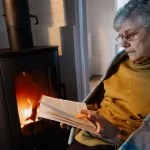
Fire Prevention Week occurs during the week of Oct. 4-10. As a result, this would be a perfect opportunity for you to take time to go over your elderly parent’s house with new eyes. As the FDNY has noted, adults 65 years of age and above have a higher rate of death due to residential fires compared to the general public. This includes a slower response time; decreased ability to move; impaired sense of sight and/or hearing; as well as decreased cognitive function which could add to their difficulty escaping a fire. Fortunately, nearly all of the things that help to protect these senior citizens will cost very little money and several can be accomplished in an afternoon. 1. Start With Working Alarms The Fire Department of New York reports that having an operational smoke detector may reduce the number of deaths from fires by fifty percent. Therefore, this is the first most important action you can take. You need smoke and carbon monoxide (CO) detectors. Smoke and Carbon Monoxide Detectors are not interchangeable, and combination smoke/Carbon Monoxide Detectors will detect both. Choose detectors which come equipped with sealed 10 year batteries. The FDNY has recommended this type of battery for all new and replacement detectors. Sealed 10 Year Batteries can not be removed, so there is less chance of forgetting to replace the battery. Install detectors as necessary. You must install smoke and CO detectors on each level of your residence, including Basements, and also in each sleeping area. It is best to mount them either on the ceiling, or at least high enough up on a wall. Check your detectors. Check your detectors frequently by pressing the "TEST" button. Also if your detectors require removing the batteries, then remove and replace the batteries twice a year. The FDNY also recommends checking your batteries when the time changes, i.e., now that the time changed this past weekend. Replace your old detectors. All smoke and CO detectors should be replaced after ten years, or when your detector signals that its life has ended. Modify detectors for hearing loss. Special detectors designed for those who are hard of hearing or deaf exist, and include features such as strobe lights and vibrating bed shakers. If your family member rents his/her apartment or house, landlords in New York City generally have legal obligations to provide smoke and CO detectors in almost all rental properties. Contact your landlord about any missing or non-operational detectors, or contact 311. 2. Charge Safely: This Year's Fire Prevention Week Theme This year’s national fire safety campaign “Charge Into Fire Safety,” which emphasizes safe battery charging as a super power. The focus of this campaign is on Lithium Ion Batteries (LIBs), which are contained in nearly all mobile electronic devices including phones, tablets, laptop computers, power tools; and to some extent the mobility scooters, electric wheel chairs and e-bike mobility aids used by many seniors in New York City. LIBs can become unsafe when they are damaged or charged improperly. Damaged or improperly charged LIBs can experience overheating, ignite, or even explode. Some ways to ensure safe charging practices for LIBs according to the National Fire Protection Association (NFPA) include: Only use the original charger supplied with your device. Or, you may purchase an approved charger from the manufacturer. Charging should take place on a firm, flat surface. Avoid surfaces such as mattresses, couch cushions, or pillows, since heat will tend to accumulate on these soft surfaces. Once your device has been completely charged, unplug it. If your device becomes extremely hot, swells, begins to smoke, or produces an unusual odor, immediately stop using it. For larger devices such as e-bikes and mobility scooters, charge at least six feet away from any exit. The NFPA recommends that LIBs be charged outdoors. However, if this cannot occur within an apartment setting, select a location that is removed from doors and sleeping areas. Additionally, do not charge LIBs during hours when residents are asleep. When purchasing new LIBs, make sure you purchase them from reputable vendors. Do not use damaged LIBs nor attempt to create your own LIBs. 3. Make the Kitchen Safer Cooking can be one of the most common causes of fires in homes. However, there are many small things that you can do to make cooking safer. Do not let your eyes wander while using a stovetop burner (heat). When cooking, wear clothing with sleeves no longer than your hands (short or tight-fitting) so they won't catch on anything hanging above your head. Be sure to remove any loose items such as towels, paper, etc., near the burners on the stovetop. Consider purchasing a timer for the stove and/or look into purchasing a stove that automatically shuts down when you walk away due to a safety issue associated with memory loss or distractions. If you experience a small pan fire on the stovetop, use a lid to cover the top of the pan and smother the flames. Turn off the heat under the pan and do NOT touch the pan until it has cooled. Clear out all clutter from inside your microwave and toaster oven. Also, please DO NOT place metal objects in your microwave. 4. Heat the Home Safely as the Weather Turns Heating in cold weather is a fire and carbon monoxide risk as temperatures drop. Do not heat your home by using a stove or oven. City guidance for using gas stoves, ovens, charcoal grills, or any fuel-burning devices for heat are specifically prohibited. Keep space heaters away from flammable materials. Keep them at least three feet away from anything that can burn, plug directly into the wall (not an extension cord) and turn off when you leave the room or go to sleep. Check cords and outlets. Replace frayed cords. Do not overload power strips. Keep radiators and vents clear of blankets and furniture. 5. Use Candles, Smoking Materials, and Oxygen With Care Skip open flames when possible. Battery-operated candles look warm and carry no fire risk. If anyone smokes, use deep, sturdy ashtrays, never smoke in bed, and never smoke when drowsy or after taking medication that causes sleepiness. If medical oxygen is in use, keep it away from open flames, candles, stoves, heaters, and smoking. Post no-smoking signs and ask the oxygen supplier for specific safety instructions. 6. Make an Escape Plan That Fits Your Loved One The standard fire drill assumes that all people will be able to leave their homes quickly. Older adults' plans should reflect what is physically realistic for them. Know of 2 exits from every room; make sure those exits are free of clutter and cords, etc. If it's safe, sleep near a door leading outside, or on the first floor (if possible). Place items you may need in an emergency within reach while lying in bed: telephone, glasses, hearing aids, walker/cane, keys. Do not use elevators during a fire. If your loved one cannot climb stairs, speak with the landlord/building manager to develop a plan. Let neighbors, the landlord/superintendent/manager, and/or building personnel know if there are any physical limitations so that they are aware of which person(s) would require assistance. If you cannot escape the fire, close the doors between yourself and the fire, dial 911 immediately and inform the operator precisely where you are located. Practice. Take a couple of minutes each year to walk through the plan as a family and at a comfortable pace. 7. Watch for Warning Signs at Home Sometimes the earliest fire-safety signal isn't a hazard, it's a change in behavior. Pay attention to: Scorched pots or pans, or a smell of burning in the kitchen Stove burners left on Overloaded outlets or extension cords Piles of paper or clutter near heat sources Difficulty hearing alarms or reaching exits New memory lapses that affect cooking or safety These don't necessarily mean anything is wrong, but they're a good reason to have a gentle conversation with your loved one and their doctor. How a Caregiver Can Help Regular support at home makes it easier to keep on top of safety. A caregiver can: Notice unsafe habits, like unattended cooking, and help with meal preparation Test alarms and report any problems to family Keep pathways clear and reduce clutter Support safe charging habits for scooters, phones, and other devices Practice the escape plan and help your loved one respond calmly in an emergency You can learn more about everyday support at home on our Homecare Services page. Quick Fire Safety Checklist Smoke and carbon monoxide detectors on each floor and near sleeping areas Tested for smoke/CO detection this month; replace battery as necessary Less than ten years old Chargers for scooters, wheelchairs, etc. placed safely Small appliance use (e.g., stove, toaster) monitored/supervised. Space heaters a minimum of three feet away from any flammable items Electrical cords are in good working order, electrical outlet(s) do not have excessive load A clear path exists to an escape route Items you may need in case of emergency (phone, glasses, walker), placed next to your bed Emergency phone numbers are listed near the phones, and informed of your mobility limitations by the neighbors/building management Escape Plan discussed and demonstrated Frequently Asked Questions How often should smoke alarms be tested? Test them regularly, and change removable batteries at least twice a year. Alarms with sealed 10-year batteries don't need battery changes but should still be tested and replaced at the end of their life. Where can seniors receive free smoke detectors in New York City The fire department of new york (FDNY), along with other organizations, provides smoke detectors as part of community-based programs. Since availability may vary, contact 311 for information about available programs or go to the FDNY web site for up-to-date information. Can i safely leave a mobility scooter plugged in and charging overnight? Follow all of the manufacturer's guidelines for charging your mobility scooter and always use the original charger. Do not charge near an exit or where people sleep. Never leave a charging mobility scooter unattended while everyone sleeps. Also, if your mobility scooter battery is damaged, swollen, or extremely hot, do not charge it any further. What should I do if a device battery starts smoking? Get everyone outside; close the door behind you; call 911 from a safe location. Do not attempt to fight a lithium-ion battery fire. What if my parent has dementia? Consider installing stove knob covers or automatic turn off devices; keep all matches and lighters inaccessible to your parents; schedule regular checks by someone to monitor the safety of your parents' cooking/heating appliances. Want an Extra Set of Eyes at Home? Fire safety is one of those things that's easy to put off until something happens. If you're looking for support to help your loved one stay safe and comfortable at home, the team at Angel Care in Brooklyn is happy to talk through what might help. This article is for general information only. For emergencies, call 911. For fire safety programs and guidance, contact the FDNY or your local fire department.
