



Finding Your Footing: Senior Life in Brooklyn and Recovering Your Independence
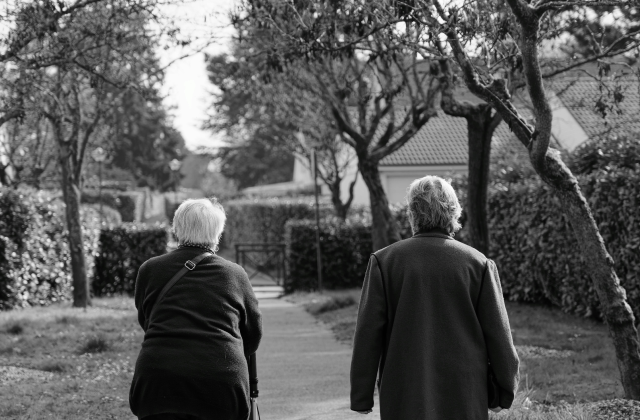
A certain type of day exists for those who live in Brooklyn and have lived there a long time. Fresh bread being pulled from the oven at the local bakery. The B train running past several blocks away. One of your neighbors yelling down from their stoop. For so many of Brooklyn’s elderly residents, these small, recognizable sounds of familiarity represent the texture of their lives as they were constructed over generations – and matter greatly to overall health and well-being.
Among the largest and most culturally diverse senior populations in New York City is Brooklyn. There are many neighborhoods in Brooklyn (e.g., Bensonhurst, Canarsie, Crown Heights) where it is completely common to encounter 70- and 80-year-olds who have raised families, lost spouses, welcomed new grandkids, and witnessed entire swaths of the city change right outside their doorsteps, yet still remain in the same zip code. Community stability such as this has substantial benefits for seniors. Studies relating to the aging process have consistently shown that a strong sense of long-term community ties is directly linked to lower levels of depression, less rapid cognitive decline, and longer lifespan.
What Brooklyn Does Well
In addition to providing an opportunity to age-in-place, Brooklyn’s layout offers additional advantages to seniors compared to many other cities. Many errands that might otherwise require use of a vehicle can be accomplished on foot. Seniors residing in Park Slope or Midwood, for example, may generally walk or take public transportation (a short ride on the subway) to reach a nearby pharmacy, library, grocery store (with fresh produce), and/or a doctor’s office. While such easy access may appear insignificant to some, it plays a quiet role in sustaining an individual’s ability to maintain his/her independence for years after he/she loses the ability to drive due to frailty.
Additionally, the cultural composition of Brooklyn also supports older adults. In Brighton Beach, Russian-speaking elders congregate daily at community centers and parks to support and reinforce intergenerational connections among peers which provide protection from social isolation. Similarly, in Sunset Park, multi-generational Chinese-American families continue to involve their elderly family members in daily life rather than isolating them. These types of informal networks — formed by a shared culture (language, cuisine, history) — can replace some of what no formalized system of care could possibly accomplish.
When Recovery Requires Rest
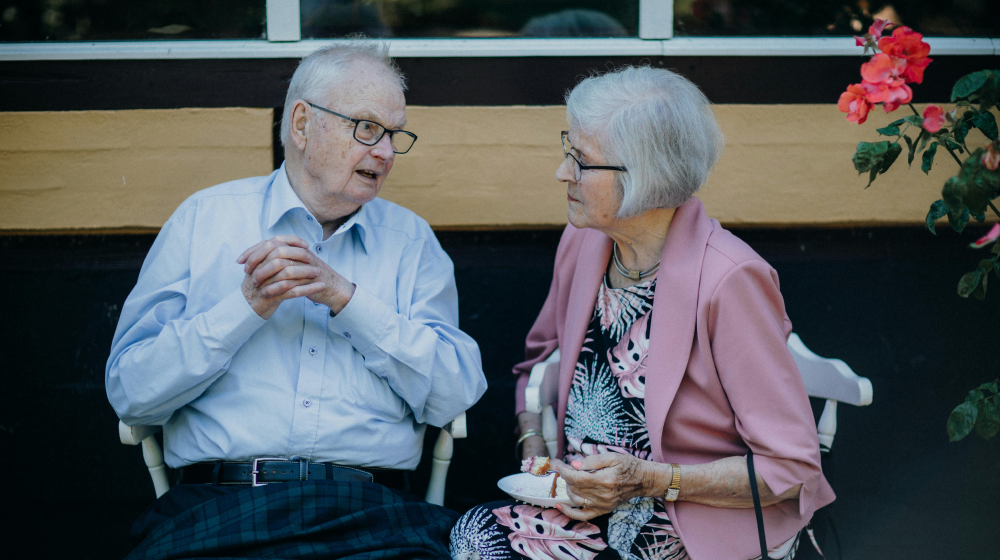
Recovering from a surgical procedure, illness or accident presents its own unique challenges. The body requires rest while the mind resists rest. Daily routines break-down. Suddenly, basic activities (bathing, preparing meals, dressing oneself) become challenging or need assistance. Regardless of how long this recovery phase lasts (weeks/months), a separate strategy will be needed.
Firstly, assess the current state of one’s residence prior to returning from a hospital stay. Walk through the house/ apartment with fresh eyes. Floors surrounding bathroom fixtures and entryways leading to bedrooms are potential hazards. Install handrails next to toilets, install non-slip mats in showers/bathtubs and temporarily remove loose area rugs to minimize risks associated with falls.
Place essential items (medications, phone charging station, drinking glasses/water bottle) at reachable heights to avoid straining or bending when attempting to retrieve them.
Do not try to hurry along the recovery process prematurely. Fatigue impairs the body’s ability to recover and physically engage in activities necessary for rehabilitation. As tempting as it may seem to “get back to normal” quickly, pushing yourself before your body is ready will likely prolong your recovery.
Physical therapy appointments should never be considered optional. It is in these sessions that functional strength returns. Attend each scheduled appointment.
Plan nutritious meals with protein sources to promote tissue repair and drink plenty of fluids to prevent dehydration which delays the recovery process. When eating poorly and losing appetite, smaller portions eaten more frequently may prove easier to consume than trying to eat large meals. If available, having a caregiver/family member prepare simple/nourishing foods during this time provides significant medical benefits beyond mere emotional comfort.
Maintain social contacts despite limitations. Engage in regular communication (phone calls, visits from neighbors), reading materials/books, etc. Social interaction maintains mental engagement and minimizes perceptions of time passing slowly. Prolonged social isolation is a valid clinical risk, not merely theoretical speculation.
Care Provided at Home
At Angel Care Inc. NY we collaborate with seniors and temporary recovery recipients throughout Brooklyn and NYC. Our caregivers assist with daily living activities including personal hygiene, medication management, meal preparation/completion, mobility and socialization — developing individualized plans based upon each client’s specific circumstances rather than using generic approaches.
We appreciate Brooklyn because we are part of it. Our employees reflect the cultural diversity present in Brooklyn and offer services in English, Russian, Spanish and other languages. Families contacting us usually face a critical juncture and our initial responsibility is listening.
Home is worth staying in — we are here to assist making that happen.
Contact us about creating customized care plans for your needs — Angel Care Inc. NY — Brooklyn/NYC

Aging with dignity in Brooklyn means being supported by community, having access to quality care options and experiencing everyday resilience. By Angel Care Inc., NY - Home Care Services Neighborhoods have defined Brooklyn since it was first developed. Each neighborhood has its own unique culture, history and sense of community. In addition to those defining elements, there are a growing number of older adults who now call Brooklyn home. Those seniors rely heavily upon the very neighborhoods that have given so much to their lives. They find ways to continue aging successfully and independently because of their connection to the places and people they love. As per recently published demographic information, approximately fourteen percent (or nearly 200,000) of Brooklyn’s residents are sixty-five years old or older. That percentage has increased significantly for ten consecutive years. Of that number, many of the residents have called the same apartment or house home for thirty, forty or fifty years. Therefore, as researchers continue to study what contributes to successful and meaningful aging, they frequently point out that those individuals with a strong tie to their community, such as long-time residents, exhibit greater likelihood of achieving good health outcomes in their golden years. The Brooklyn Advantage So why does Brooklyn appear to be an ideal location for aging in place? One reason is the density of the area. In contrast to the less populated areas found outside of New York City, Brooklyn is easily accessible by foot for many residents. Residents may easily travel short distances to local pharmacies, grocery stores, parks and other community resources. Brooklyn is also serviced extensively via a comprehensive system of subways and buses. This provides residents who are unable to operate vehicles with continued independence and opportunities to connect with their peers while minimizing reliance upon others for transportation related to errands. Additionally, Brooklyn has a diverse array of cultural communities throughout the Borough. These include Russian speaking enclaves located in Sheepshead Bay, Caribbean communities in Flatbush, Chinese-American communities in Sunset Park. When older adults reside in close proximity to members of their cultural community, they are able to take advantage of extended family networks which can provide support through multiple generations. Furthermore, services provided through cultural organizations will be familiar to the recipient which can enhance the effectiveness of those services. Social isolation and loneliness represent two significant health concerns for people sixty-five years of age and above. Having a strong sense of community provides protection from social isolation and loneliness. Independence after a Setback Not all challenges experienced in late adulthood are forever. Many seniors — and adults of all ages — will experience temporary disabilities resulting from surgical procedures, illnesses, injuries or hospitalizations. A hip replacement, a stroke, a fall or a heart attack: each of these events can create the perception that everything has been placed on hold. However, if the proper level of support is available during rehabilitation, the path to regaining independence can occur sooner than anticipated. To facilitate independence following a setback here are some practical suggestions: Before returning home from the hospital reorganize your home environment to minimize obstacles — relocate items you require frequently to waist-high locations to avoid bending and stretching. Installing handrails in bathrooms and removing loose floor coverings that could contribute to a fall are inexpensive measures that will immediately improve your safety. If needed accept aid with cooking and personal hygiene until the recovery process reaches the next stage — it is essential that you conserve energy for healing and physical therapy. Maintain communication with your healthcare providers and do not miss scheduled follow-up appointments regardless of whether you currently feel healthy. Post-surgery or post-illness complications often present quietly. Develop a regular daily routine early in your recovery — structured routines alleviate anxiety and give your body consistent signals regarding sleep and activity levels. Utilize assistive devices — a shower chair, a reacher-grabber, a raised toilet seat — that enable you to perform activities independently while reducing the risk of re-injuring yourself. Ensure that you prioritize your nutritional intake. Tissue repair requires protein, vitamins and sufficient water consumption however appetite may decrease during illness. Consuming small but frequent meals can help ensure you are meeting your body’s requirements. Maintain mental stimulation — reading books, working on puzzles, making phone calls with friends and engaging in gentle creative pursuits all support cognitive function during physical recovery and promote a positive attitude toward your situation. The Role of Professional Home Care For numerous families residing in Brooklyn, the initial response to learning about a family member’s health issue is “How can I ensure my loved one receives the necessary care in order to safely recover?” Professional home care fills this void. Instead of relocating a family member from their known home environment and surrounding community, skilled caregivers visit their clients’ residences — providing personal care assistance, reminding clients when to administer medications, preparing meals, providing companionship and facilitating interactions with medical personnel. At Angel Care Inc. NY we operate under the principle that every individual should receive care that respects their autonomy while providing attentive support tailored specifically to their individualized needs. Our team assists seniors and temporarily disabled persons residing throughout the five boroughs while maintaining strong connections with diverse communities across Brooklyn. Often we communicate using languages spoken natively by our clients — building relationships takes time. We offer customized support based on your needs — whether it is several hours of assistance weekly or twenty-four hour support — we strive to match our services with your lifestyle. Independence is not merely receiving minimal assistance — it is the ability to live as you desire with the right individuals supporting you along the way. Contact us today to schedule an appointment with one of our professional care coordinators to determine how we can best support you or your loved one in Brooklyn and all five boroughs.
There is a moment that many immigrant families in Brooklyn know well. An elderly parent sits across from a doctor, nodding politely at explanations they only half understand. They smile, say yes, and later at home admit they caught perhaps every third word. They are not confused — they are simply operating in a language that was never fully theirs, in a system that was not built with them in mind. This happens every day. And in the context of home care, where trust and clear communication are not conveniences but necessities, a language gap is not a minor inconvenience. It is a genuine barrier to good health. More Than Words When a caregiver and a senior share a language, something shifts. Instructions about medications are understood the first time. A client can describe exactly where it hurts, what changed since yesterday, what they ate and what they refused. Dignity stays intact because the person does not have to guess, perform, or feel embarrassed about asking again. But shared language goes beyond vocabulary. It carries culture, humor, and a familiar way of seeing the world. A caregiver who can joke in the same idiom, who understands why certain foods matter or why a particular holiday deserves proper acknowledgment — that person provides something that a technically skilled but linguistically distant caregiver simply cannot. Comfort. Genuine, felt comfort. And for older adults, particularly those navigating illness or reduced mobility, comfort is not a luxury. It is part of the treatment. What Families Tell Us At Angel Care Inc. NY, we hear a version of the same story regularly. A family spent months with a caregiver who was kind but distant — conversations were halting, instructions got lost, the elderly parent grew quieter and more withdrawn. Then the arrangement changed, and a caregiver arrived who spoke their language. Within two weeks, the parent was talking more, eating better, and willing to do the light exercises the physical therapist had recommended. Nothing else had changed. The language had. This is not anecdotal sentiment. Social connection — real connection, built on understood words and shared reference points — is one of the most documented protective factors in senior health. It slows cognitive decline. It reduces rates of depression. It keeps people engaged with their own recovery rather than passive within it. Languages We Speak at Angel Care Inc. NY Our team currently includes experienced, vetted caregivers who work in the following languages: English — for clients most comfortable in the primary language of daily Brooklyn life, whether lifelong New Yorkers or those who made English their own decades ago Spanish — for the borough's large and diverse Latin American communities, from Mexican families in Sunset Park to Dominican and Puerto Rican households across Flatbush and Bushwick We are actively expanding our team, and we encourage families to ask about availability in other languages when they contact us. Brooklyn is one of the most linguistically diverse places on earth, and we take that seriously as an agency. A Practical Note for Families If you are arranging care for an older parent or relative, language matching deserves to be one of your first questions — not an afterthought. Ask agencies directly: do you have caregivers who speak our language? What is their availability? How consistent will the placement be? Consistency matters nearly as much as language. A senior who builds a relationship with one caregiver over weeks and months develops the kind of trust that makes honest communication possible. That trust is fragile. Frequent changes in caregiver disrupt it, and disruption has real costs for older adults who depend on routine and familiarity to feel secure. At Angel Care Inc. NY, we work hard to ensure continuity — matching clients thoughtfully and maintaining those matches over time. Because good care is not just a service delivered. It is a relationship tended. Angel Care Inc. NY — home care services across Brooklyn and New York City, in the languages your family speaks. Call us today.
