



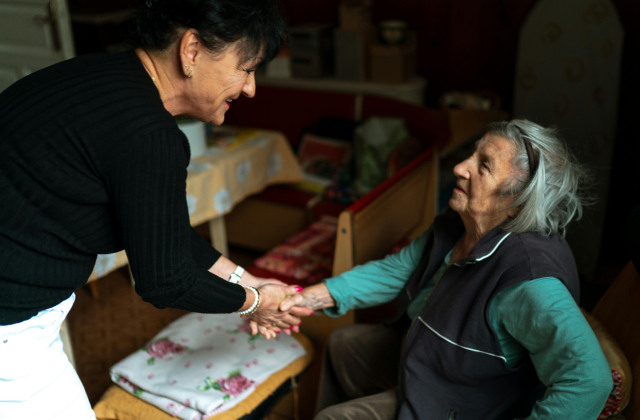
Staying Connected, Staying Strong: Why Language Is the First Step in Senior Care
There is a moment that many immigrant families in Brooklyn know well. An elderly parent sits across from a doctor, nodding politely at explanations they only half understand. They smile, say yes, and later at home admit they caught perhaps every third word. They are not confused — they are simply operating in a language that was never fully theirs, in a system that was not built with them in mind.
This happens every day. And in the context of home care, where trust and clear communication are not conveniences but necessities, a language gap is not a minor inconvenience. It is a genuine barrier to good health.
More Than Words
When a caregiver and a senior share a language, something shifts. Instructions about medications are understood the first time. A client can describe exactly where it hurts, what changed since yesterday, what they ate and what they refused. Dignity stays intact because the person does not have to guess, perform, or feel embarrassed about asking again.
But shared language goes beyond vocabulary. It carries culture, humor, and a familiar way of seeing the world. A caregiver who can joke in the same idiom, who understands why certain foods matter or why a particular holiday deserves proper acknowledgment — that person provides something that a technically skilled but linguistically distant caregiver simply cannot. Comfort. Genuine, felt comfort. And for older adults, particularly those navigating illness or reduced mobility, comfort is not a luxury. It is part of the treatment.
What Families Tell Us
At Angel Care Inc. NY, we hear a version of the same story regularly. A family spent months with a caregiver who was kind but distant — conversations were halting, instructions got lost, the elderly parent grew quieter and more withdrawn. Then the arrangement changed, and a caregiver arrived who spoke their language. Within two weeks, the parent was talking more, eating better, and willing to do the light exercises the physical therapist had recommended. Nothing else had changed. The language had.
This is not anecdotal sentiment. Social connection — real connection, built on understood words and shared reference points — is one of the most documented protective factors in senior health. It slows cognitive decline. It reduces rates of depression. It keeps people engaged with their own recovery rather than passive within it.
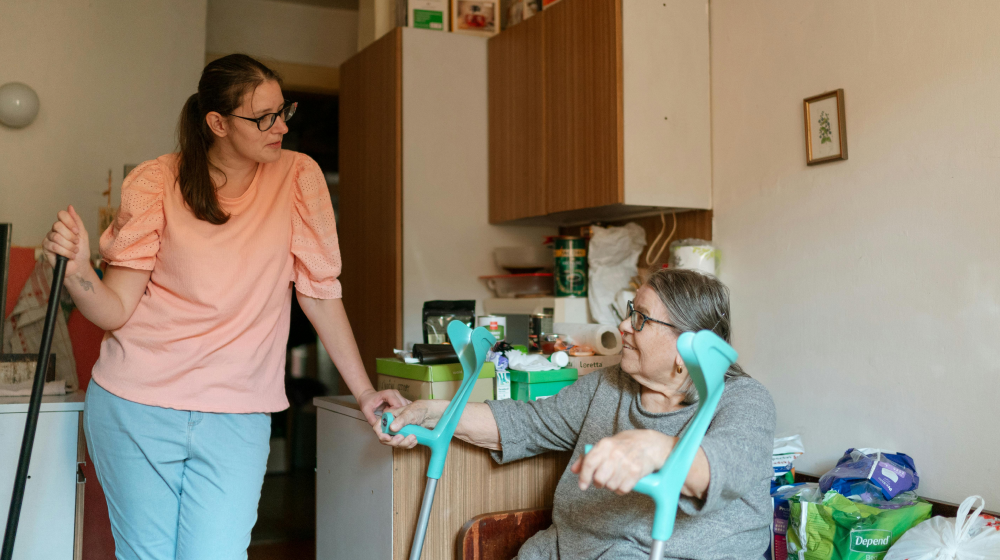
Languages We Speak at Angel Care Inc. NY
Our team currently includes experienced, vetted caregivers who work in the following languages:
- English — for clients most comfortable in the primary language of daily Brooklyn life, whether lifelong New Yorkers or those who made English their own decades ago
- Spanish — for the borough’s large and diverse Latin American communities, from Mexican families in Sunset Park to Dominican and Puerto Rican households across Flatbush and Bushwick
We are actively expanding our team, and we encourage families to ask about availability in other languages when they contact us. Brooklyn is one of the most linguistically diverse places on earth, and we take that seriously as an agency.
A Practical Note for Families
If you are arranging care for an older parent or relative, language matching deserves to be one of your first questions — not an afterthought. Ask agencies directly: do you have caregivers who speak our language? What is their availability? How consistent will the placement be?
Consistency matters nearly as much as language. A senior who builds a relationship with one caregiver over weeks and months develops the kind of trust that makes honest communication possible. That trust is fragile. Frequent changes in caregiver disrupt it, and disruption has real costs for older adults who depend on routine and familiarity to feel secure.
At Angel Care Inc. NY, we work hard to ensure continuity — matching clients thoughtfully and maintaining those matches over time. Because good care is not just a service delivered. It is a relationship tended.
Angel Care Inc. NY — home care services across Brooklyn and New York City, in the languages your family speaks. Call us today.

A certain type of day exists for those who live in Brooklyn and have lived there a long time. Fresh bread being pulled from the oven at the local bakery. The B train running past several blocks away. One of your neighbors yelling down from their stoop. For so many of Brooklyn’s elderly residents, these small, recognizable sounds of familiarity represent the texture of their lives as they were constructed over generations – and matter greatly to overall health and well-being. Among the largest and most culturally diverse senior populations in New York City is Brooklyn. There are many neighborhoods in Brooklyn (e.g., Bensonhurst, Canarsie, Crown Heights) where it is completely common to encounter 70- and 80-year-olds who have raised families, lost spouses, welcomed new grandkids, and witnessed entire swaths of the city change right outside their doorsteps, yet still remain in the same zip code. Community stability such as this has substantial benefits for seniors. Studies relating to the aging process have consistently shown that a strong sense of long-term community ties is directly linked to lower levels of depression, less rapid cognitive decline, and longer lifespan. What Brooklyn Does Well In addition to providing an opportunity to age-in-place, Brooklyn’s layout offers additional advantages to seniors compared to many other cities. Many errands that might otherwise require use of a vehicle can be accomplished on foot. Seniors residing in Park Slope or Midwood, for example, may generally walk or take public transportation (a short ride on the subway) to reach a nearby pharmacy, library, grocery store (with fresh produce), and/or a doctor’s office. While such easy access may appear insignificant to some, it plays a quiet role in sustaining an individual’s ability to maintain his/her independence for years after he/she loses the ability to drive due to frailty. Additionally, the cultural composition of Brooklyn also supports older adults. In Brighton Beach, Russian-speaking elders congregate daily at community centers and parks to support and reinforce intergenerational connections among peers which provide protection from social isolation. Similarly, in Sunset Park, multi-generational Chinese-American families continue to involve their elderly family members in daily life rather than isolating them. These types of informal networks — formed by a shared culture (language, cuisine, history) — can replace some of what no formalized system of care could possibly accomplish. When Recovery Requires Rest Recovering from a surgical procedure, illness or accident presents its own unique challenges. The body requires rest while the mind resists rest. Daily routines break-down. Suddenly, basic activities (bathing, preparing meals, dressing oneself) become challenging or need assistance. Regardless of how long this recovery phase lasts (weeks/months), a separate strategy will be needed. Firstly, assess the current state of one’s residence prior to returning from a hospital stay. Walk through the house/ apartment with fresh eyes. Floors surrounding bathroom fixtures and entryways leading to bedrooms are potential hazards. Install handrails next to toilets, install non-slip mats in showers/bathtubs and temporarily remove loose area rugs to minimize risks associated with falls. Place essential items (medications, phone charging station, drinking glasses/water bottle) at reachable heights to avoid straining or bending when attempting to retrieve them. Do not try to hurry along the recovery process prematurely. Fatigue impairs the body’s ability to recover and physically engage in activities necessary for rehabilitation. As tempting as it may seem to “get back to normal” quickly, pushing yourself before your body is ready will likely prolong your recovery. Physical therapy appointments should never be considered optional. It is in these sessions that functional strength returns. Attend each scheduled appointment. Plan nutritious meals with protein sources to promote tissue repair and drink plenty of fluids to prevent dehydration which delays the recovery process. When eating poorly and losing appetite, smaller portions eaten more frequently may prove easier to consume than trying to eat large meals. If available, having a caregiver/family member prepare simple/nourishing foods during this time provides significant medical benefits beyond mere emotional comfort. Maintain social contacts despite limitations. Engage in regular communication (phone calls, visits from neighbors), reading materials/books, etc. Social interaction maintains mental engagement and minimizes perceptions of time passing slowly. Prolonged social isolation is a valid clinical risk, not merely theoretical speculation. Care Provided at Home At Angel Care Inc. NY we collaborate with seniors and temporary recovery recipients throughout Brooklyn and NYC. Our caregivers assist with daily living activities including personal hygiene, medication management, meal preparation/completion, mobility and socialization — developing individualized plans based upon each client’s specific circumstances rather than using generic approaches. We appreciate Brooklyn because we are part of it. Our employees reflect the cultural diversity present in Brooklyn and offer services in English, Russian, Spanish and other languages. Families contacting us usually face a critical juncture and our initial responsibility is listening. Home is worth staying in — we are here to assist making that happen. Contact us about creating customized care plans for your needs — Angel Care Inc. NY — Brooklyn/NYC
Most Brooklynites have had some variation of this same conversation that takes place in kitchen and/or living room settings throughout the borough. Conversations such as; "Mom/Father forgot to take their medication", "Grandma/Grandpa seem a little shaky walking." Or a neighbor that has not left their house for a week. Then the conversation becomes about what you do next? Family in Brooklyn have always taken care of their own. Being self-reliant is part of the culture of almost every community in Brooklyn. There is a strong desire to keep personal issues within the family unit. For the most part this produces positive results. However, it also can delay important discussions that could make life much simpler for everybody involved if done sooner rather than later. The Invisible Labor of Family Caregiving According to an estimate, there are approximately 1.4 million people in NYC providing free labor to assist an elderly/disabled relative. In Brooklyn, this includes; working adults that hold full-time employment and still manage their parents' medical appointments, spouses in their 70s caring for a spouse with dementia, and teenagers assisting with tasks that were never formally delegated to them. None of this visible labor appears in a budget or workforce statistic, however this type of labor can be very taxing mentally/emotionally. Burn-out of caregivers is a reality, and there are actual clinical definitions associated with it. Burn-out looks similar to depression in terms of; persistent fatigue, irritation, feeling stuck, withdrawal from social activities. When a caregiver reaches this point, the quality of care they are able to provide to their loved one decreases, and their overall health suffers. Asking for help is not a sign of weakness. In fact it is often what enables the caregiver relationship to exist at all. Identifying Times When Additional Assistance May Be Required While there may be individual indicators that suggest additional assistance is required (i.e., a fall), none of these indicators alone should be cause for alarm. As a whole though, these indicators are worth exploring, and worth sharing with the individual(s) involved -- even if doing so feels difficult/uncomfortable. Older adults typically recognize when they are having difficulties prior to seeking help due to embarrassment/shame/loss of independence fears. These fears deserve to be acknowledged and addressed. Accepting help does not equate to giving up independence. Often times accepting assistance helps preserve it. An individual receiving assistance with basic needs (bathing, meals, and medication management) can continue residing at home/community long after individuals refusing all forms of support experience a crisis requiring a more drastic form of intervention. Changes That Can Provide Meaningful Relief When managing a temporary disability/health limitation, the first priority is to address concerns related to the home environment. Most accidents occur in environments familiar to us, primarily due to our lack of awareness/familiarity. Bathrooms are particularly hazardous due to the presence of slippery surfaces/water/limited space. Simple modifications can add considerable safety benefits. Installation of grab bars near toilets/showers takes less than 60 minutes and can prevent injuries that may take months to recover from. Adequate lighting in hallways/staircases can minimize risks associated with limited visibility. The use of a shower chair/bench eliminates the necessity to balance on wet tile while fatigued. Medical alert devices can quickly notify authorities in case of a fall resulting in an extended emergency response period. Adhering to a structured daily routine can aid in physical recovery following surgery or other serious illnesses. Establishing routines that include waking at set times/eating at established times/resting at predetermined times, and participating in the prescribed level of physical activity can regulate bodily functions and contribute positively to recovery. While variability/predictability may appeal to some, they generally oppose recovery processes. Recovery from surgery/serious illness also requires social interaction. Studies have shown that even brief interactions (daily phone calls, visits, messaging friends) can improve/maintain mental well-being, pain tolerance/reduction, and motivate participation in rehabilitative programs. Social isolation, on the other hand, has been linked to delayed recovery/slower recovery rates/higher rate of post surgical complications/depression. A Different Type of Assistance At Angel Care Inc. NY we've worked with numerous Brooklyn-based families, which has provided us insight into how unique each family's situation can be. We have clients who require several hours/day of support following a hospital stay, others require only a few hours of assistance per week (assistance with grocery shopping/a ride to a medical appointment/preparation and checking of medications), and many just want assurance that there is a trusted/supportive person available so family members who reside elsewhere can relax. We seek staff who possess the ability to build relationships/trust with our clients and the patients we serve - in addition to possessing qualifications/experience. Our caregivers receive extensive training and are carefully selected based on a variety of factors including; personality/behavioral traits/demonstrated compassion/patience/capacity to observe/assist. Brooklyn has given so much to the people who chose to build their lives here. Our mission is to ensure those people are able to continue living in Brooklyn/home/community with dignity as long as possible - supported by our professionals at Angel Care Inc. NY
